

KING OF NEW YORK (1990)
In 1990, Abel Ferrera dropped audiences smack dab in the middle of a crime masterpiece. And it earns that distinction not by being some HEAT-style cops & robbers masterpiece. No, KING OF NEW YORK earns that distinction through the impeccable way everything in the film works to execute Ferrera’s view of a myth of a man—Frank White, played with uneasy bravura by Christopher Walken.
The film begins with White being released from prison. You get the sense even when looking at his back that he is a man worthy of respect and deference. Walken plays Frank White not as a level-headed shark who plays all the right moves, but instead like a calculating oddball menace—never afraid to go off at the slightest provocation. It’s really a marvel to watch Walken inhabit this role. He is a live wire; even in moments of repose, you never feel like he is completely still. He plays Frank more as an animal driven by instinct, glides through important rooms like he’s on the hunt, surveying everything with two of the best Manson lamps for eyes ever put on screen.
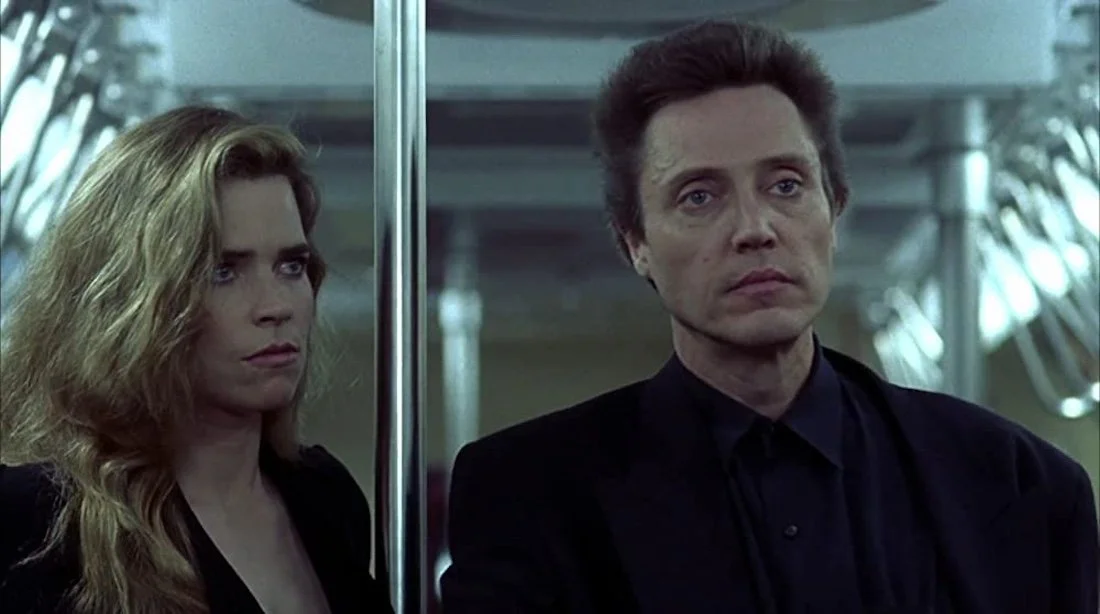
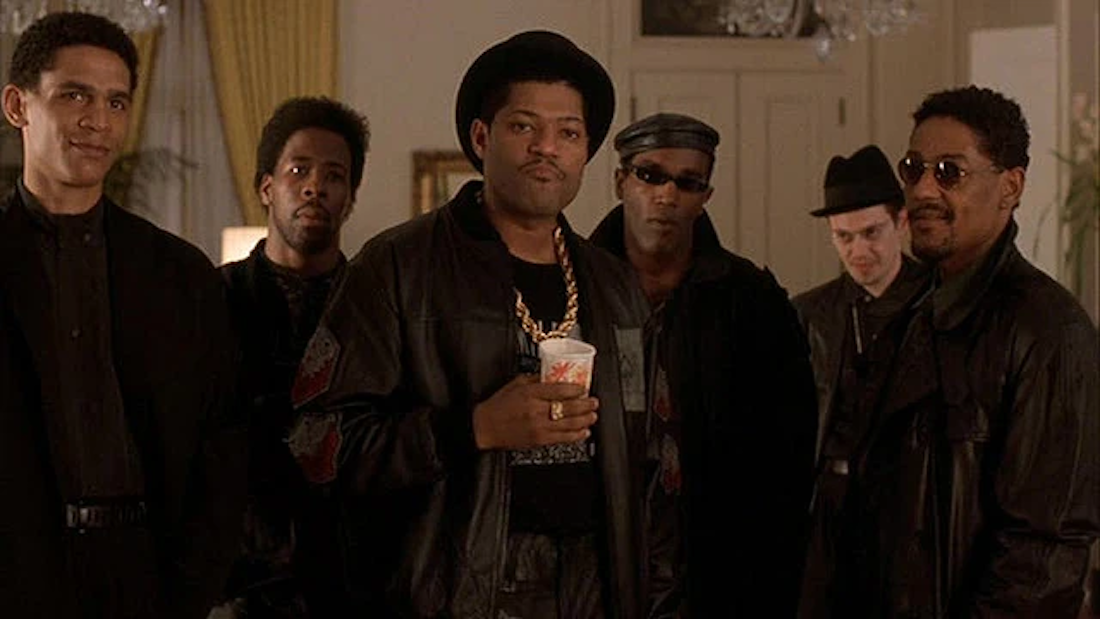
He is also a consummate businessman. When he is interrupted making time with his best girl on a New York City subway by a handful of young hoods, instead of cowering and acting fearful of these four would-be-assailants, he reaches into his pocket for a wad of bills (after showing off his gun like the thugs aren’t nothing). In true fearless fashion, he simply hands over his cash telling them to ask about him down at the Plaza Hotel, and that he is willing to put them to work.
I watched KING OF NEW YORK for the first time when I was ten or eleven and it made an impression. This was the first film I ever watched that felt like it had an air of legitimate danger; the first film I watched that blurred the line between good guys and bad guys. It muddied the water in a way that I had never seen before. Frank White is an undeniably evil character, but the cops on his tail are just as bad. Instead of normal means of investigation, they rely on harassment and intimidation, unafraid of bending as many laws as possible. He is public enemy number one in New York City and the cops are intent on putting him behind bars as soon as possible. The police tasked with taking him down are played by Victor Argo (who is stoic and determined as always as Roy Bishop), David Caruso (playing Dennis Milligan with his own live wire intensity), and Wesley Snipes (as Tommy Flanagan, years before he would play Nino Brown in Van Peebles’ NEW JACK CITY). The cops are dogged in their pursuit of Frank and his crew—including Jimmy played with the same verve Laurence Fishburne brought to Coppola’s APOCALYPSE NOW. The cast is full of notable actors who weren’t necessarily household names at the time, including Giancarlo Esposito as a henchman. Robert Ladsorda as a rival lackey, and Harold Perrineau playing a street tough.
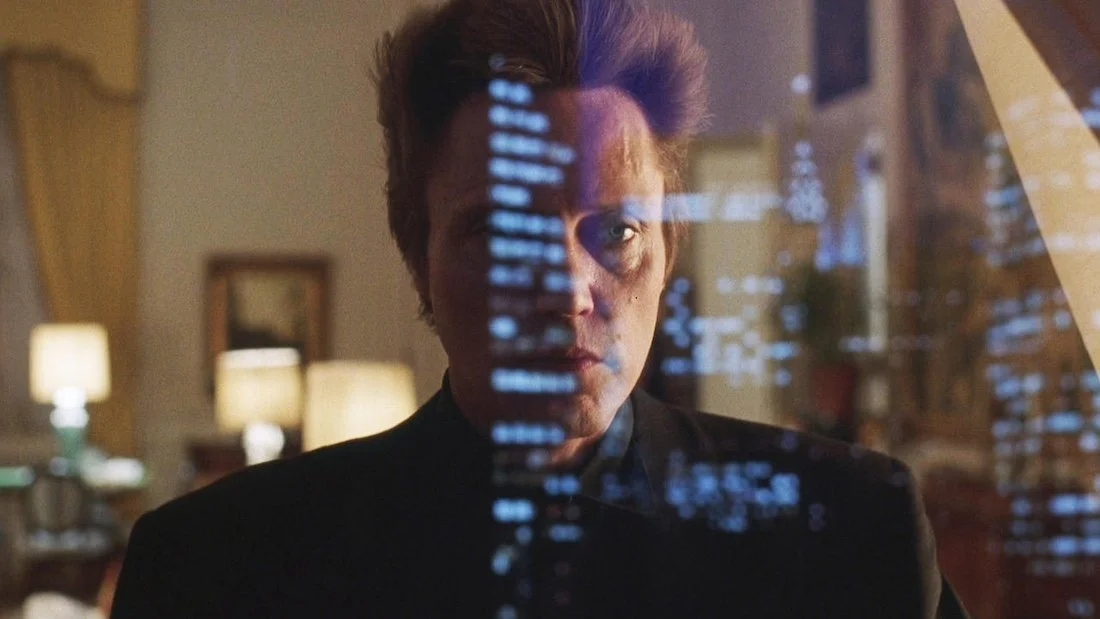
I will rundown my three favourite scenes in KING OF NEW YORK, all going to show a fresh Ferrera take on familiar tropes from the gangster epic. The first takes place within the first fifteen minutes and is White taking his first shower as a free man. It is a simple set up and shot, but what makes the scene special is the flicker of a moment where Walken breaks the fourth wall, his eyes burning a hole in the frame for a brief second. It feels like he is inviting the audience to follow along on his character’s last shot at redemption, like he is making the viewer an uncomfortable witness for what is about to come.
The second scene is the demise of Arty Clay—played with no nonsense, old school style by Frank Gio. After appallingly snubbing an emissary named Joey (Paul Calderon), White along with his crew—including Theresa Randle as Raye, Carrie Nygren as Melanie, Steve Buscemi as Test Tube, and of course Fishburne as Jimmy—all show up to Arty’s. Frank is there to make a deal, but Arty Clay feels slighted and disrespected. After White wins a hand of blackjack, Arty shouts from his seat at the card table, “You think you’ll live long enough to spend that money.” The slight enrages White who returns to the backroom and shoots Arty where he sits. White then issues the same edict he had issued to the earlier thugs on the subway, offering to put every one of Arty’s crew to work for him. It’s a graphically violent moment, arguably the most violent scene in the film. It shows the audience just what kind of a monster they are mesmerized by.
The third and final scene I wish to highlight is the death of Jimmy and Tommy. It’s a scene that perfectly encapsulates the lengths these cops are willing to go in pursuit of getting their man. White has escaped—leaving Jimmy alone, in the shadows of a trainyard—Jimmy, Tommy, and Dennis all play cops and robbers for real. They have just finished turning the streets of New York into a war zone, as the cops make one final clandestine attempt to apprehend Frank White. They end up under a bridge in a part of the city populated by the homeless of NYC. Everything is shot under the black cloud of night, and after concealing himself in a seemingly abandoned truck trailer, he crawls out of his hiding space and shoots Tommy a couple of times with glancing flesh wounds, before they become entangled as Tommy fights to finish things with Jimmy. You feel as an audience member like you are watching a real fight to the death between the two, before Jimmy ends him with a shot to the sternum. Before Jimmy can escape, however, Dennis appears and shoots Jimmy twice at close range leaving him to suffer as he attends his doomed partner. When Tommy passes away in his arms, and Dennis finishes his goodbye, he goes and finishes off Jimmy. Fishburne’s death agonies are some of the most brutal ever committed to film; it’s sickening and terrifying.
With KING OF NEW YORK, Ferrera released a masterpiece upon the world. One concerned with showing the man behind the myth, of a kingpin. In the end he is both calculating villain and businessman hero. The film is an excellent study of a remorseless man, and its end fits everything precisely. KING OF NEW YORK is a perfectly nihilistic gangster picture.