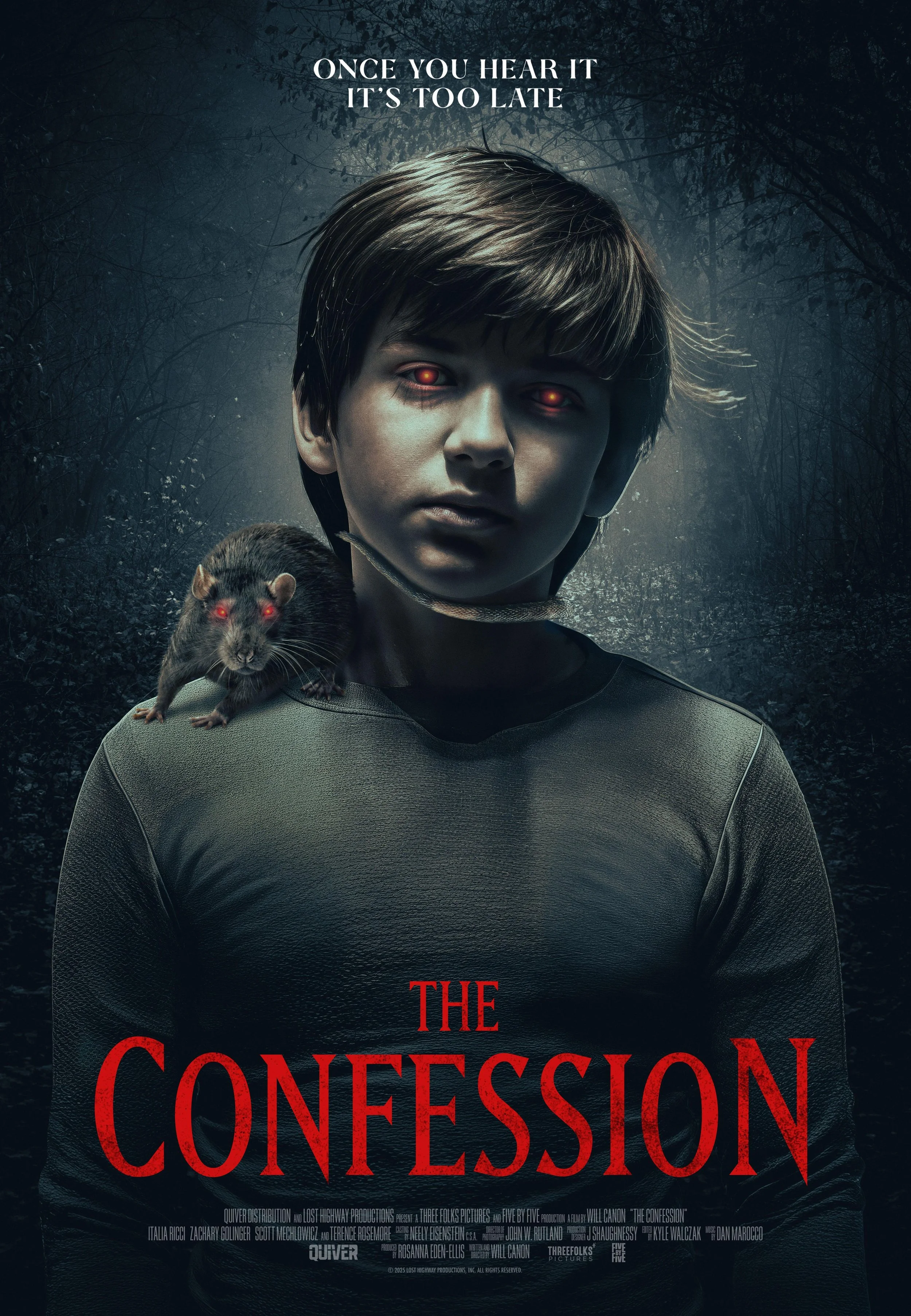
There’s a tendency to discount indie horror outright or hold indie filmmakers to an impossibly high standard. We know they have a low budget, and the story feels suffocating, or the effects are a little off, or the acting is a little stilted. We know all these things. The real magic happens when you let go of preconceived biases and go along for the ride. In the case of writer/director Will Canon’s THE CONFESSION, the brisk, 87-minute feature uses its meager resources to its advantage. There’s a real fear leaking from the screen, and Canon’s ability to tap into the subconscious can not be overstated. The film’s DIY spirit and aesthetic pulse as loudly as its heart—it’s clear that everyone involved is fully committed and focused on the work at hand. And that’s half the battle.
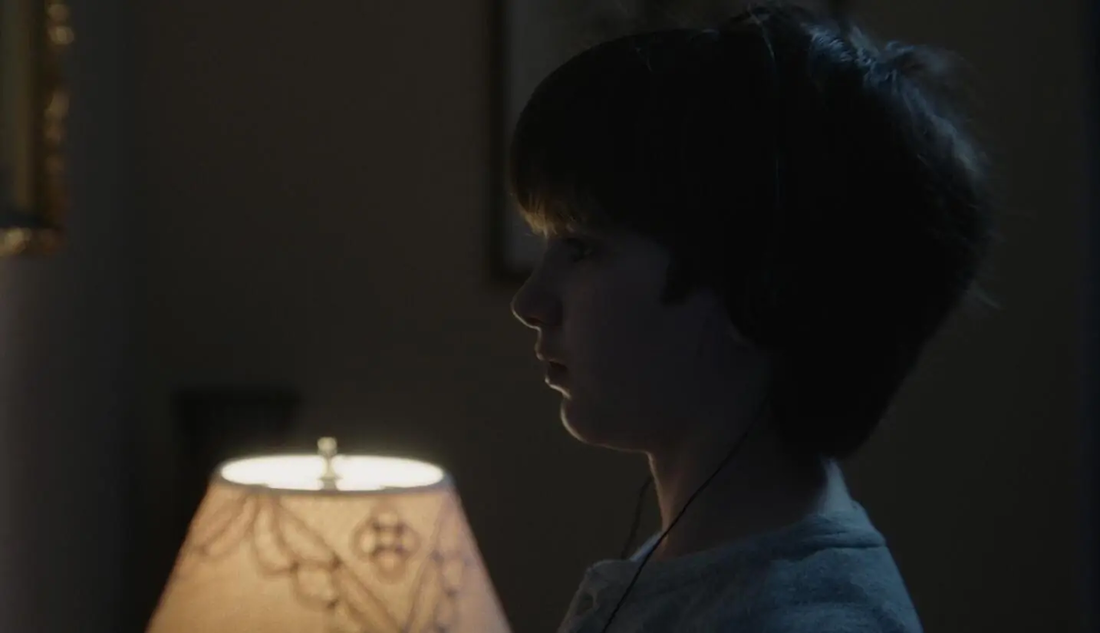
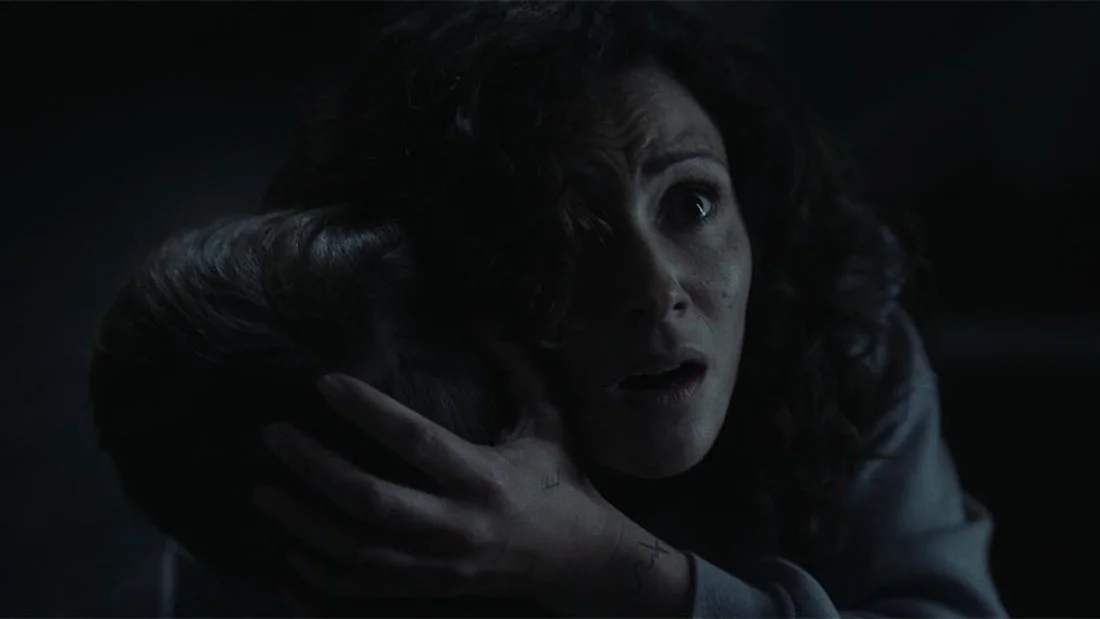
Naomi (Italia Ricci) drags her son Dylan (Zachary Golinger) to her small hometown so she can finish her next album. Her father, Arthur (Craig Kolkebeck), left behind a mysterious cassette tape, on which he confesses to murdering a wayward soul, Royce Cobb. “If you’re listening to this, it means the rats are back,” he warns, his voice crackling. “I did it to protect future generations.” Arthur’s admission hangs over Naomi’s head like a dark, swirling cloud.
Grayson (Scott Mechlowicz), a friend from her youth, offers to help her investigate Royce’s unsolved disappearance and how it all traces back to her father. “I’m just asking you to be straight with me,” Grayson pleads, after he reveals to have the cursed tape in hand. Naomi and Grayson proceed to follow various clues (e.g., a mysterious symbol carved into a tree in her backyard, and framers’ codes in the blueprint of the home) that take them down a far darker path than they could have ever anticipated.
The thing about THE CONFESSION is that it contains familiar genre tricks–but it handles them well. Elements of true crime (i.e., the discovery of the tape) twist around branches of the paranormal and supernatural. A greater power is always at play, similar to the film’s central deconstruction of organized religion, personal faith, and the importance of free-thinking. Naomi’s father was once a layman, a firm believer in God and the Bible, and was frequently at odds with her over ideas about a higher power and a higher purpose.
“I left the church because it’s full of shit,” Harling Guidry (Terence Rosemore), an old friend of Arthur’s, tells Naomi. A devout dissenter against the modern church’s teachings, Harling also urges Naomi to get baptized as a way to fight the evil–in this case, the Pied Piper from the classic children’s tale. The power of faith is both a salve and a weapon, often used together or separately in equal amounts, to wreak havoc upon the world. We see it take shape in political rhetoric and campaign slogans. What was sworn to keep us together is forever fated to tear us apart.
“The debt is due!” reads a bloody message Naomi discovers in the third act. Don’t worry, no spoilers about how it’s revealed or what, exactly, it means to the greater plot. Paying for the sins of the father, the heavy price we pay in flesh, and the sacrificial lambs we set upon an altar of our own creation play key roles in Naomi’s character arc. These thematic threads never feel like two-ton anvils, but simply exist in the common human experience.
THE CONFESSION is inherently polarizing. From its style and tone to the underlying threads and third act resolve, it provokes consideration about one’s philosophical understanding of life and death. In readapting the classic tale of the Pied Piper, Canon’s film inverts what you’d expect to happen: that religion is some bright light and siren in the dark, guiding us out of hell. But maybe that’s something we’ve just gotten plain wrong. What if God wasn’t on our side? And was, in fact, creating chaotic evil for the sheer pleasure of it? Canon asks these questions of the viewer, and when the last frame spirals into the sky, we’re left with many more unanswered ones.
Will Canon invites the viewer to engage in a heated conversation about truth, reality, and always questioning authority. THE CONFESSION brutally confronts long-held religious beliefs, tearing them down, brick by brick, and inevitably reforms ideas about power and the real evil in the world. The film will ultimately only ring true for the audience as much as they’re willing to dig deep into its rich soil. It’s worth the plunge.