

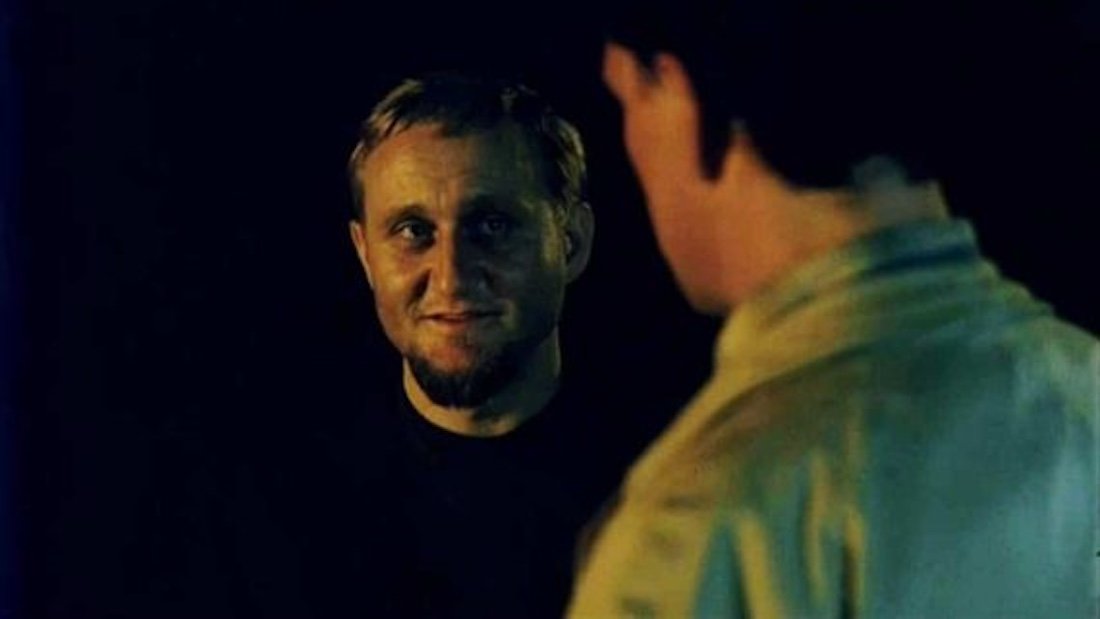
Fate is a fickle thing. Ever-changing and chaotic in praxis, the concept itself is unwavering and inescapable. The notion of everything being written in the stars is a Romantic one, but what happens when those comets cross? George Sluizer’s 1988 film THE VANISHING beautifully articulates this tragic tale of destiny. The title evokes the general idea of a classic horror, the kind of movie that would open with some kids discussing strange disappearances that’ve been happening across town. In actuality, THE VANISHING is a psychological thriller that relies on heavy existentialism to put the audience on edge more than the threat of danger or violence.

The film opens with our beloved protagonists, Rex and Saskia, on a road trip through France. What’s supposed to be a fun biking holiday takes a harrowing turn when Saskia goes missing at a gas station. Her sudden disappearance and subsequent fate is vaguely foreshadowed in the beginning when she describes a recurring nightmare she’s had her whole life. Stuck in a golden egg hurtling through space, she emphasizes the loneliness of the pod’s confinement. Her latest recount of the dream had been different, there was a second egg also lost amongst the cosmos and equally as far away. Saskia cryptically mentions that the only way for the nightmare to end is for the two to collide. Not long after the exchange, Rex sees his lover for the last time as she goes into the rest stop to pick up drinks for the drive ahead. It was hard to watch the young man progressively unravel, running around the lot desperately asking strangers and staff if they’d seen Saskia. As Rex, Gene Bervoets crafts an emotionally guttural scene that completely subverts the established mood at the beginning in the best way possible. When the couple first arrive together, the rest stop feels like a hub of activity; but as what becomes of Saskia grows more ambiguous, the setting becomes claustrophobic. Cars parked back-to-back, people littered across the lawn, and tourists packed into the convenience store to buy a souvenir and cup of coffee, once charming turns suffocating. When the afternoon passes with no leads besides someone claiming they saw Saskia leave the station, it’s clear she had been gone for a while.
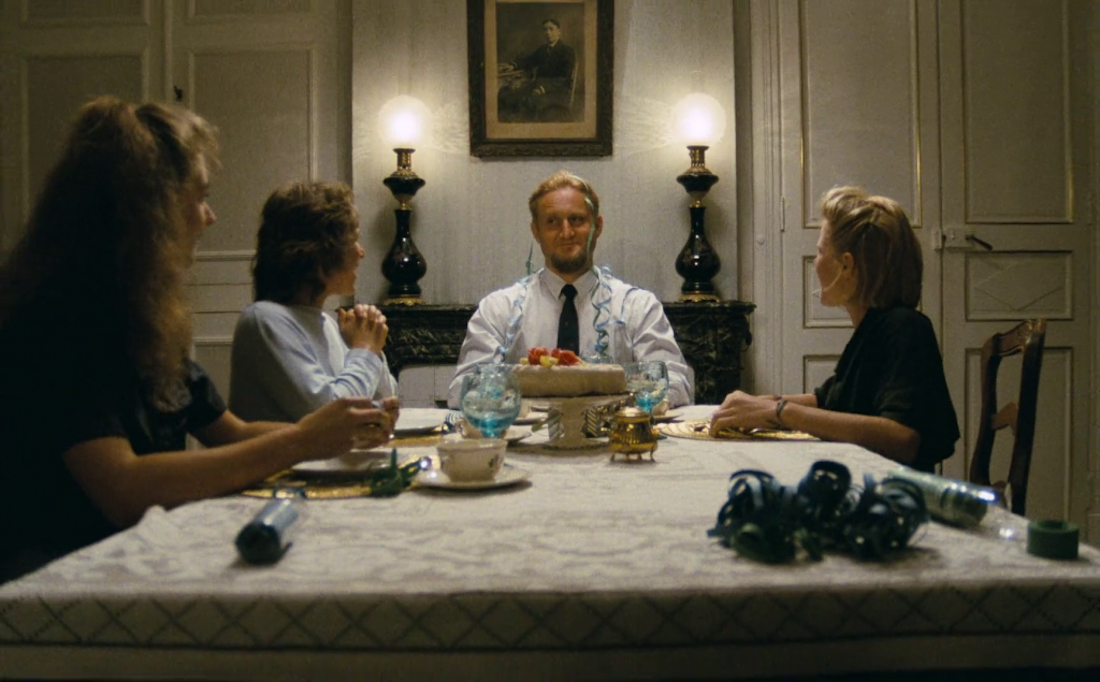
Rex’s search for his missing girlfriend is all consuming. He refuses to move on even though he assumes and even accepts that she’s likely dead. To him, the only closure that exists would be knowing what happened to her and who’s responsible, and while what becomes of Saskia remains obscure until the ending, the “who” behind everything is revealed to the audience before the couple even make it to the petrol station. A stringent and meticulous man, Raymond Lemorne is first seen getting into disguise in hopes of, no surprise here, luring and kidnapping someone. Instead of bird watching, knitting, or literally anything else, Lemorne’s idea of a hobby is attempting to abduct young women for sport. THE VANISHING depicts him not as some antisocial creep up to no good, but as a husband and father who’s loved and respected by his family. Ironically, the entire reason he’s on the prowl looking for people to body snatch is because of them. While on a trip with his family, Lemorne’s daughter witnessed him save a little girl about to drown. After the ordeal she proudly boasts about her hero father, sending him down a line of thinking one can only describe as disturbingly bizarre. Lemorne believes the only way to test his daughter’s claim is to do something abhorrent to see whether he deserves to be regarded as a hero. This way of thinking is a hallmark of Lemorne’s personality: A stubborn contrarian through and through, nuance might as well be an expletive to the man. In this case, he was convinced he could only consider himself heroic if he were unable to commit a heinous act. While Lemorne was out quite literally testing his humanity, Rex was hunting him down in hopes to find the girl with whom he was always meant to be.
Fate is the immovable object to the unstoppable force of human persistence in THE VANISHING. There’s a conversation between the two men that expresses this sentiment perfectly; Lemorne explains that he’d broken his arm as a boy after willfully jumping off a balcony. He goes on to elaborate that he did so because he was frustrated with the idea that something so impactful had been settled between common sense and instincts before his consciousness could weigh in. Being of empirical persuasion he hypothesized about whether there was a way to disengage with “fate” entirely, leading him to purposely defy predetermination by jumping. This inspires Rex who knowingly ingests a sedative in exchange for finding out what happened to Saskia. If this sounds unhinged to you, you’re not alone—both these men had me slack jawed for most of this movie. When Lemorne first makes the offer, Rex refuses, knowing he shouldn’t want to go along with what the certifiable madman is saying. Curiosity and desperation get the best of him, and Rex inevitably concedes, remarking that he too is interested in seeing what happens when someone undermines what the universe has seemingly prescribed. Then again, what if this was exactly what fate had in mind for Saskia, Rex, and even Lemorne?
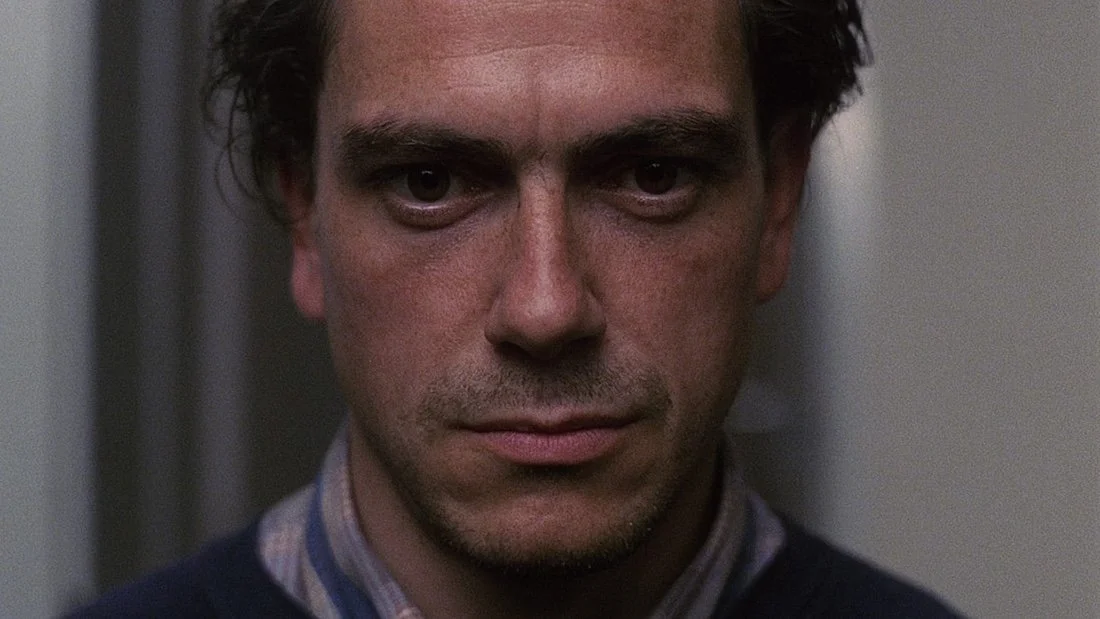
THE VANISHING is a horror movie that won’t scare you in the same way something like FRIDAY THE 13TH. The fear in this flick is an existential one, the kind that’ll have you lying face down for a while after watching it. Sluizer’s vivid characters are hard not to empathize with, magnifying the emotional impact the events of the story have on the audience. A devastating watch with a macabre ending, this is a powerful film that will put a pit in your stomach. Maybe it’s a sign you’re reading this, or maybe you’re just in the market for something scary you haven’t seen yet. Regardless, whether it’s fate or your own volition, I hope THE VANISHING finds itself on your screen sometime soon.