UFOctober: THE ALIEN FACTOR (1978)
“We didn’t need dialogue. We had faces!” – Norma Desmond in SUNSET BOULEVARD
Watching low-budget regional exploitation movies is sort of like drinking beer. The first time you try, you’re usually too young to be doing so. That means there’s a bit of an illicit thrill to the experience even at the same time that your reaction is probably something along the lines of “this is awful!” But like a fool, you keep returning to experience it again and again. After a while, for no real reason that you can remember, you’ve acquired a taste for the stuff.
But the kicker is, you sort of wish that you didn’t acquire that taste. This stuff is bad for you. It rots your brain and you start to feel guilty that you’re sitting down to watch a Larry Buchanan movie that you haven’t yet checked off the list while cracking open a cold one instead of sipping some herbal tea and learning to play the harpsichord. Am I getting a little too personally specific?
But I’ve made my choices in this life. I’m too old to worry about the fact that I’ve become a defender of the sort of trash cinema that some snarky comedians decided to start making fun of on Minnesota public access back in the day. I now mostly embrace the fact that the detritus of late ‘60s to mid ‘90s homegrown genre movies are a soothing balm for my psyche. Watching amateur actors stumble through unnecessarily labyrinthine plots (often poorly ripped off from popular mainstream movies), spouting tin-eared dialogue, performing badly choreographed (occasionally hair-raisingly dangerous) stunts, and awkwardly shucking their clothes for sex scenes that are usually the opposite of sexy is my happy place. Some people find this odd, but the reason I love these movies is very simple: they have a soul.
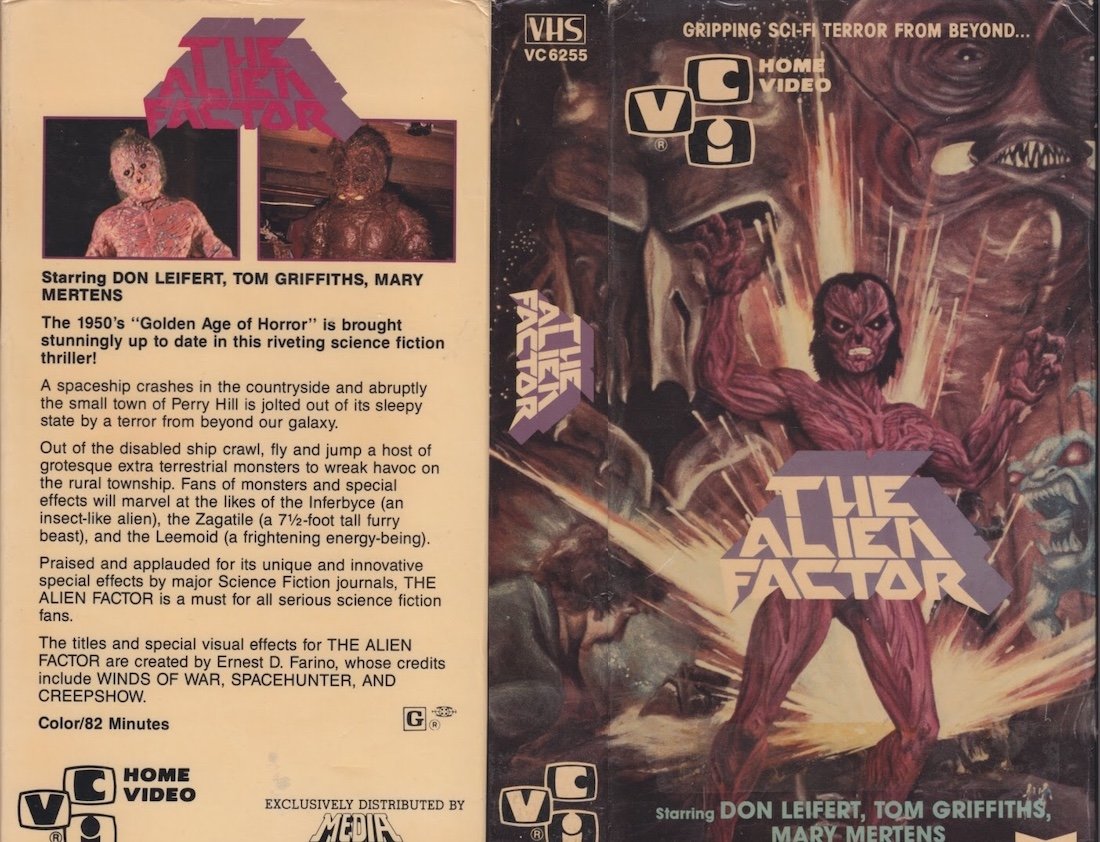
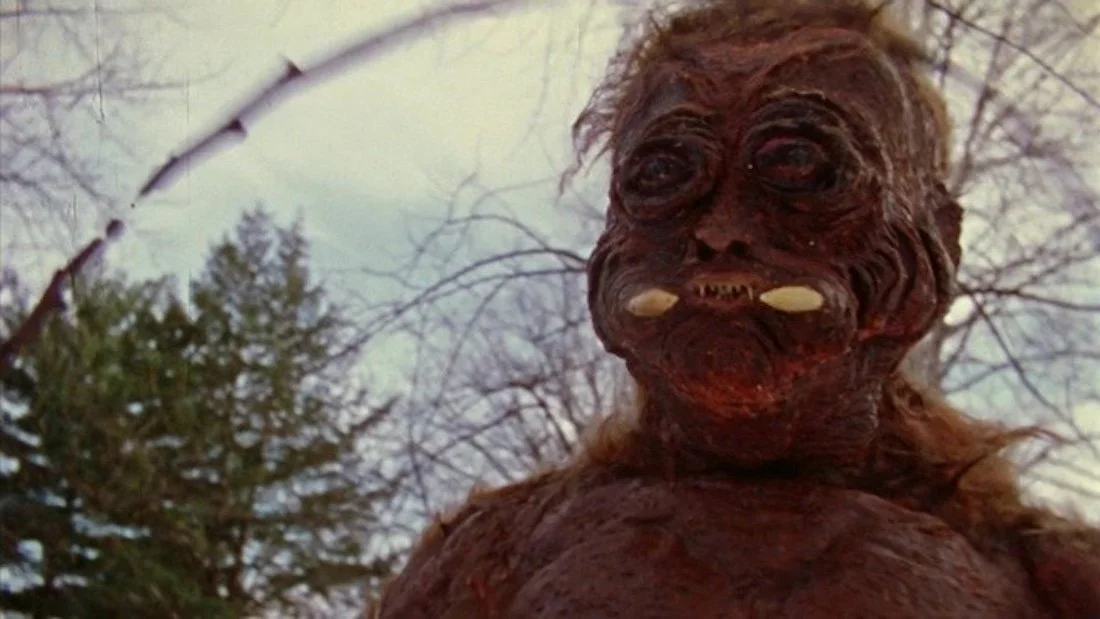
There’s an authenticity to a movie like THE ALIEN FACTOR that you don’t often find in modern indie films. A lot of that has to do with the modern indie filmmaker’s luxury of shooting as many takes as needed using cheap digital cameras that still produce a relatively polished image. But that polished image feels more artificial than the arch performances of community theater players acting out the world’s cheapest alien invasion thriller on crudely constructed sets. Those actors had to hit their marks (or at least get close to them) and get across their dialogue on the first take. If they blew a line? Too bad, so sad. Production had to move on to the next set-up. Time and film stock were money, baby.
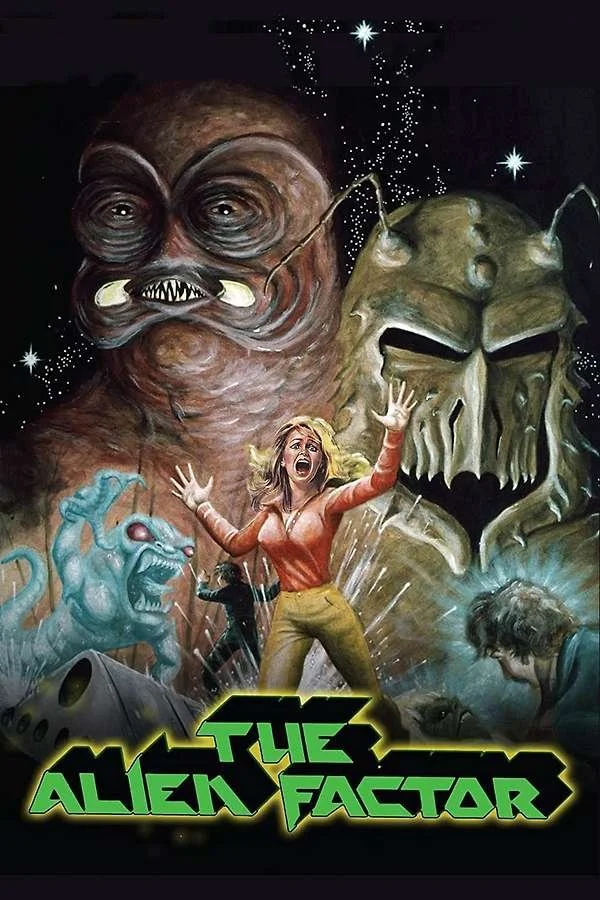
That was a long preamble, so I suppose I should at least talk a little about what actually happens in THE ALIEN FACTOR and what specifically makes it such a rewatchable gem.
To keep the plot description short-and-sweet, THE ALIEN FACTOR takes the template of JAWS and applies it to the alien invasion genre. Monstrous aliens run around the woods outside of Baltimore and kill young people engaged in passionless make-out sessions. On the case is the cranky Sheriff (Tom Griffith) and his cheerful deputy Pete (Richard Geiwitz). In their infinite wisdom, they think the attacks are caused by a bobcat (apparently the bobcats are on steroids in Maryland). The Mayor (Richard Dyszel) is worried about bad publicity souring a deal he has in place for a sketchy entertainment complex coming to town. Oh yeah, and there’s a surly astronomer (Don Leifert) that no one has ever heard of from a few towns over who communes with a dying alien that gives him plenty of information about how many alien invaders are roaming around and how to kill them. Got all that?
Not to worry if you don’t. Every character who has more than five minutes of screen-time gets approximately sixty pages of exposition to spout at another character (and the audience). Norma Desmond may not have needed dialogue, but the characters in THE ALIEN FACTOR get all they can motor through and then some. But, the important thing here is, they also have faces.
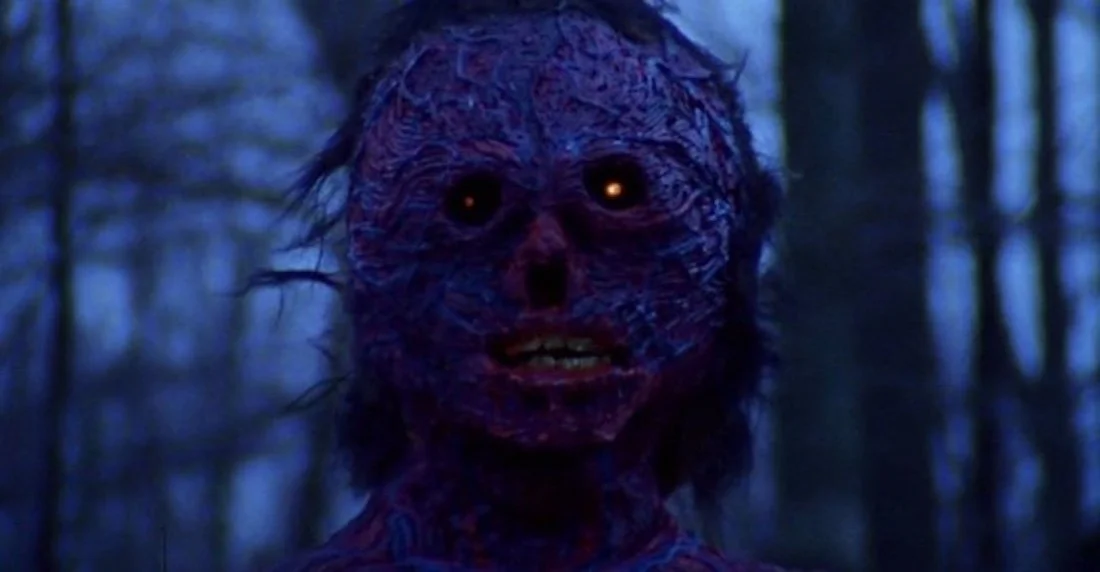
Which brings us back to that point about authenticity. Despite the slapdash production values, the visible boom mics, and the screenplay that pauses every scene to make sure the audience is really and truly staying caught up, the unsuspecting friends and acquaintances that writer/director Don Dohler throws in front of the camera look and sound like real people—because they are real people.
Most of these “actors” are clearly just playing themselves. I’m not saying they hold the occupations or share the names of their characters, but there’s a lack of affect among them that is refreshing. While it might sound unsatisfying to simply play “Pete the deputy” or “Steven the assistant medical examiner” (George Stover, a Dohler regular who was also in early John Waters films), Dohler was savvy in his casting. Geiwitz’s turn as Pete elevates what could have been a Barney Fife riff into an affable, yet ineffective guy who truly cares about his community. Stover’s character really adds nothing to the narrative, but his naturally worried expression and demeanor makes me think of Charlie Brown if he were real and grown up. He hangs around the frames of the movie, just looking interesting. The same goes for the bar band who play an entire song just to extend the running time to feature length. There’s no reason for them to be there, but they add texture and a sense of reality to a silly “aliens attack!” movie.
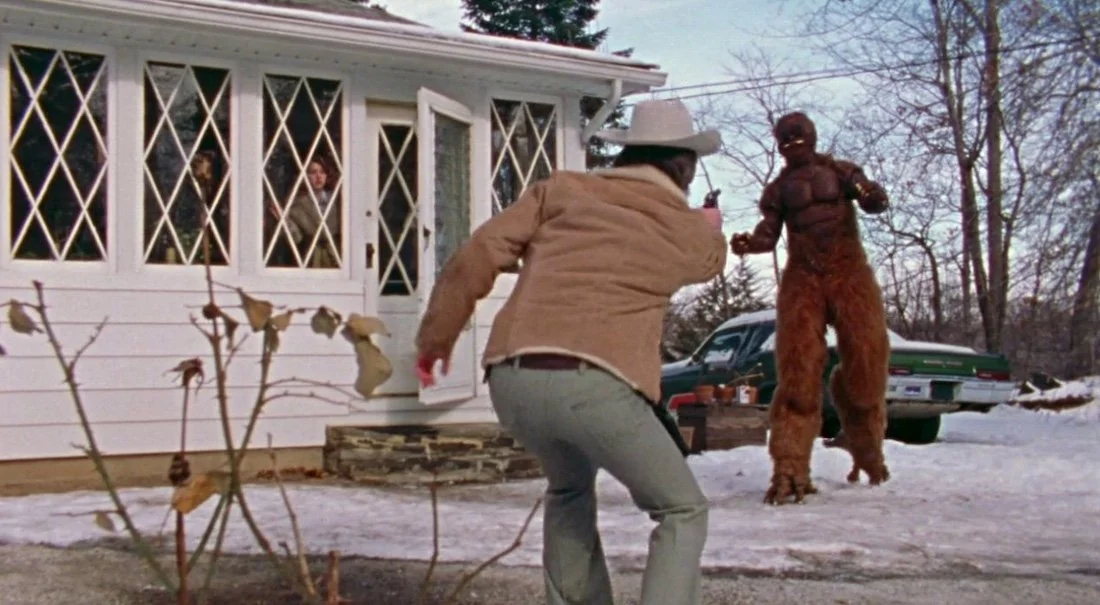
Even the characters like the sheriff or the astronomer who are the de facto leads, benefit from the quirky looks and energy that the actors bring. Griffith’s sheriff is one of the most useless lawmen put to screen, but he looks and behaves like L.Q. Jones playing an off-brand Marty Robbins. While Leifert is supposed to be playing a combination of Hooper and Quint from JAWS, he gives off the vibes of Russ Tamblyn playing Dr. Johnny Fever from WKRP in Cincinnati. Simply put, when you don’t have money for effects, stunts, or paint for the flats used to construct the sheriff’s office, you can wisely build your movie around the best (in this case, the funkiest) actors at your disposal.
None of which is to say that THE ALIEN FACTOR is a good alien invasion movie. Most of its entertainment value for me is as a time capsule of late ‘70s suburban Baltimore and just watching Dohler’s troupe of merry players sit around and talk about what’s happening in the movie they’re appearing in. It’s a chill little hangout movie for people who have acquired the taste for this specific kind of trash cinema. But it has a heart and a soul. No budget can buy that if the team making the film doesn’t care.
THE ALIEN FACTOR was the debut feature from Dohler. He went on to make a string of ultra-low budget genre flicks in and around his native Baltimore. Just four years after the release of this film, he remade it as the better known NIGHTBEAST. That movie is technically a better alien invasion thriller that includes gore and nudity to spice it up considerably in comparison to the tame violence and mild oaths here. But despite using many of the same actors playing the same roles, the charm of THE ALIEN FACTOR is missing from NIGHTBEAST. With a little experience under his belt, Dohler had become a better filmmaker, but he never made another film as weirdly comforting and authentic as his first one.
