The Neon Splatter Interview: Micho Rutare of PREDATOR: KILLER OF KILLERS
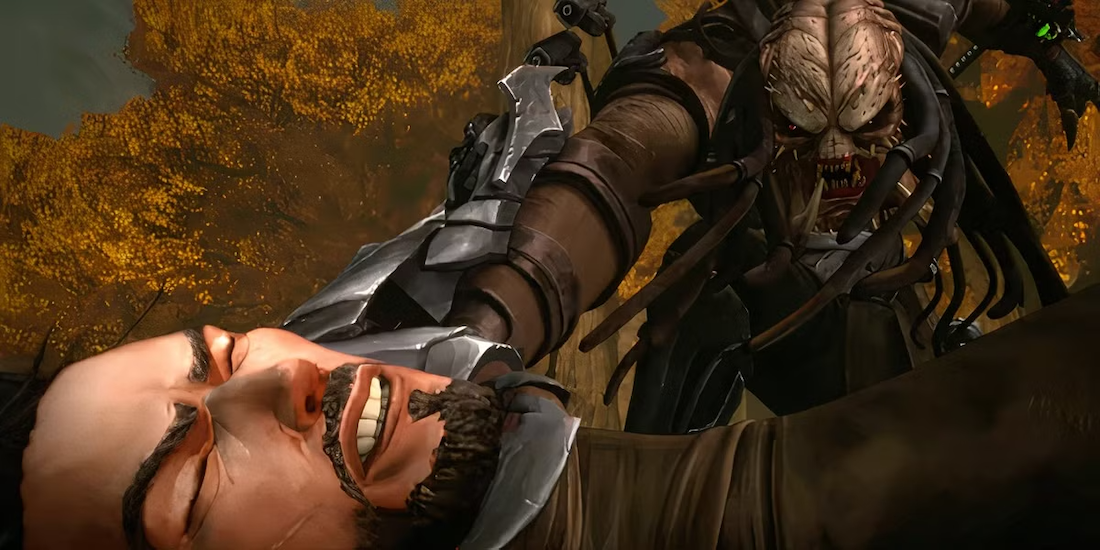
PREDATOR: KILLER OF KILLERS is the first of many for the nearly 40-year-old series. For starters, it’s the first ever animated film in the franchise. Secondly, it’s the first ever anthology film within the series, telling three separate, but interconnected, tales that link its intrepid protagonists all together in a stunning fourth act. After its surprise trailer in April, and subsequent critical success, it’s safe to say that the Predator franchise has probably never been in a better spot than it is right now. And with the success of PREY, this new film, and the Dan Trachtenberg-directed seventh film, PREDATOR: BADLANDS (due out this November), expectations for the series have never been higher. But perhaps the biggest “first” for this franchise is for writer Micho Rutare, who takes a big step up to the plate since he started working in Hollywood almost 20 years ago.
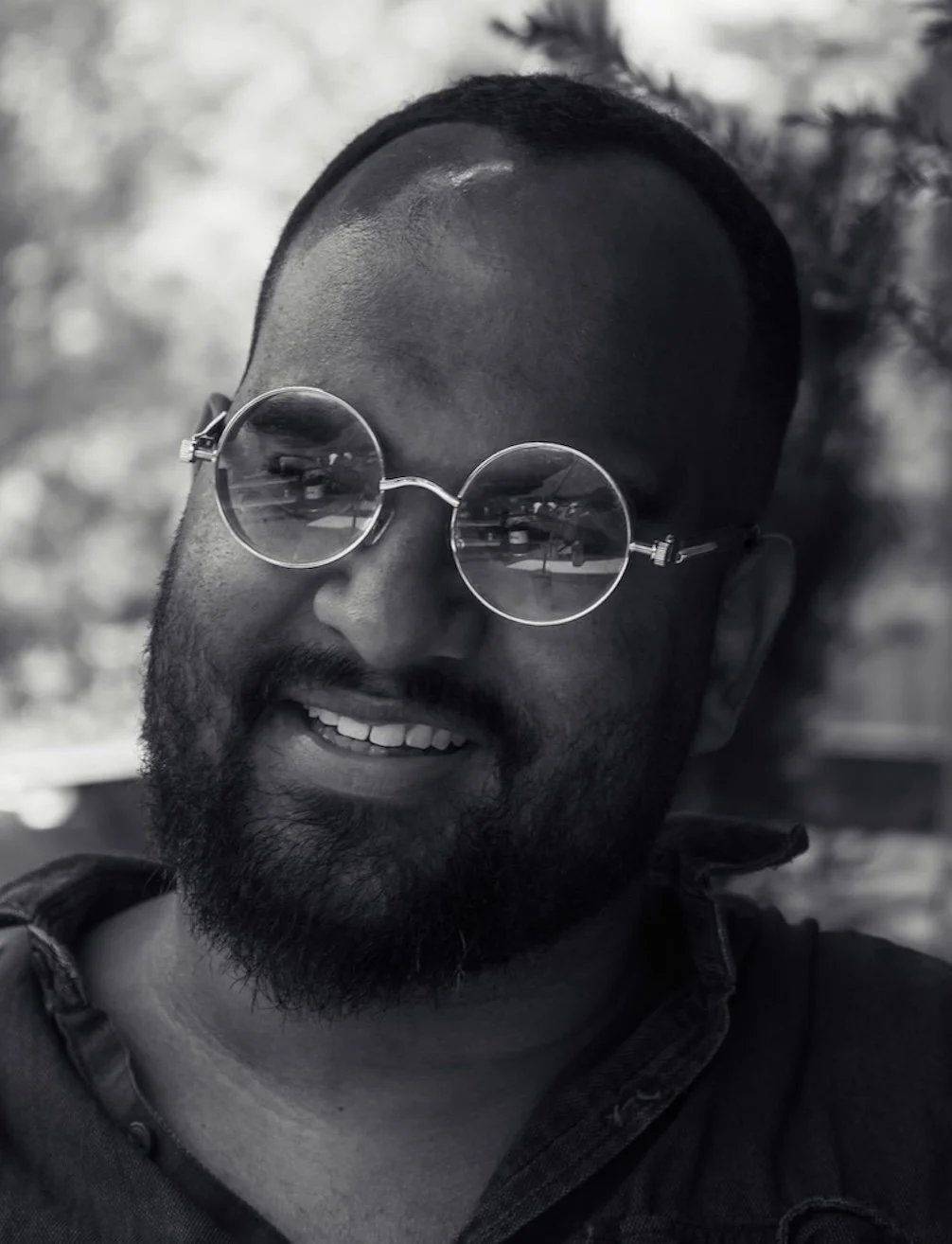
I reached out to Mr. Rutare, anxious at the opportunity to interview a creative who was able to put their own stamp on a franchise that has been with me for as long as I can remember. What follows is an email exchange between Mr. Rutare and I on his career in Hollywood, his writing inspirations, the relationship between his race, religious ideology, and philosophy in regards to fictional violence, and, of course, his stellar work on PREDATOR: KILLER OF KILLERS.
Max Deering: How did you get into the business of Hollywood, and more specifically what was your path like in becoming a screenwriter?
Micho Rutare: I started making Monty Python-style sketch videos with my friends in middle school. We called ourselves Poopshot Productions because we shot a piece of dog poop with an arrow and filmed it. This was long before YouTube, thankfully--ye olde 1990s. Gradually, I started making more and more little movies for class projects, and by the time I graduated high school, my friends and I had made a couple decent shorts. This also coincided with the dawn of digital editing; when we showed up to English class one day and screened a Baz Luhrman-inspired Macbeth scene, with wall-to-wall digital gunfire sound effects, it blew everyone's minds. I became addicted to that feeling, the thrill of the conjuror.
In college, I teamed up with my freshman year suitemate Ben Rosenblatt (the producer of KILLER OF KILLERS), and we made two feature films that won the local film festival. He moved to Hollywood and quickly started working for Marty Cohen at Dreamworks and then Paramount, where he helped me get a job as an office PA.
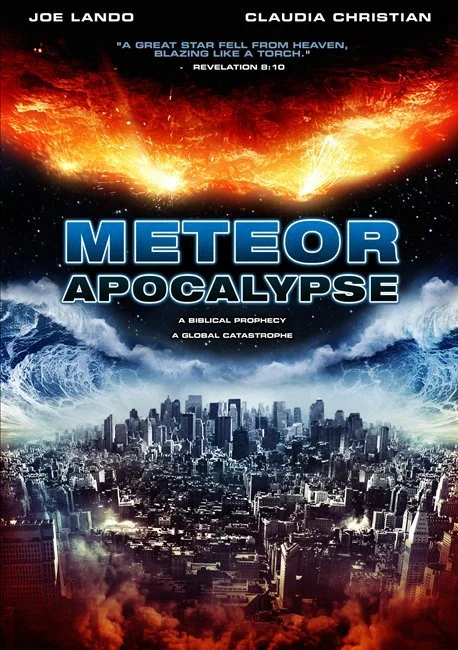
Meanwhile, Brian Brinkman, one of my childhood friends, had moved out to LA. His first cousin once removed is David Rimawi, who is one of the principals at The Asylum. Brian and I started pitching things to The Asylum, and eventually they hired us to write a couple different scripts. I directed one of them, METEOR APOCALYPSE, and after that, they hired me to be their full-time head of development. I was also writing scripts for them at the same time, as well as directing, so it was a full-spectrum filmmaking boot camp for me. In addition to David Rimawi, David Latt and Paul Bales, the other partners at The Asylum, have been my mentors in the business.
In sum, the path to me working professionally was to
1. make things with my friends, for no reason other than the joy of it,
2. Get lucky in the form of referrals from friends and friends of friends,
3. do it all over again.
What scripts have inspired your writing the most?
For me, it begins and ends with Charlie Kaufman's ADAPTATION. It is a jewel of metanarrative, sparkling and dazzling as it refracts meaning itself.
Are there any screenwriters, authors (or even genres), that you would say you are deeply indebted to in terms of your writing style?
I fell in love with writing prose before I started screenwriting. On Writing Well by William Zinser got me on the tracks, in terms of the writing basics.
Above all influences, Friedrich Nietzsche's writing stands as a thundering testament. The force of his aphoristic cannon blasts knocked the religion out of me. As I analyzed his "maxims and arrows" and ventured a few of my own, I found my voice as a writer. I try to pack a lot of gunpowder in my action descriptions, thanks to Nietzsche.
I also owe a huge debt to Blake Snyder, the famous screenwriting author. He's a great one for demystifying the craft and pulling back the curtain on what actually works in commercial Hollywood storytelling.

Is there a philosophy you find that guides your hand when crafting a story?
I'm a big hypocrite in this regard, but I always try to write from the heart. It's tempting to think about screenplays as vast math equations, and there's a lot of merit in approaching story like an algebra problem, but ultimately, we're in the feelings business.
Having made your bones with places in the independent filmmaking world, what were some of the biggest lessons you learned during your time there?
The incredibly hard work of bringing a 2/10 movie to a 4/10.
How important it is to understand the market and to serve the market.
How important it is to know what genre you're making, and then to deliver at least one juicy genre moment every ten minutes or fewer.
The mainstream Hollywood system is ossified and arbitrary.
What do you think is a misunderstanding about low-budget filmmaking (specifically screenwriting), for these independent films? What perspective would you like to see change?
There aren't any awards for genre films that are
1. made for less than a million dollars, that
2. make an audience happy, and that
3. return a profit.
Doing all three takes a lot of skill across several domains, from sales to finance to screenwriting to production. I think people who successfully make low-budget films should get more respect and recognition, and they should have access to bigger pools of capital, but that's not always the way it works.
How did you take the lessons you learned from The Asylum to Hulu and 20th Century Studios for more established franchises like Predator? Were there any limitations? Or unexpected freedoms?
We had the good fortune of working with great executives at 20th Century Studios. Steve Asbell is a filmmaker's executive; he's a big film lover and a humble guy who knew how to bring out the best in us. Scott Aversano is also a gifted exec; one of the unsung arts is the ability to shape a conversation in a productive way, structuring the creative process to maximize good decision-making. Scott is great at that.
There is a lot that connects my experience at The Asylum with my work on KILLER OF KILLERS. I'd already developed a popular franchise with the Sharknado movies, so I had a feel for how to line up my brainstorming and writing with the demands of the microgenre, which is what a franchise is. Part of the Asylum mindset, at least in the blue-sky phase, is to set the creative baseline at non-stop action then work backwards from there, making room for quieter parts only as a way to oxygenate the action.
Now, I'm not going to use the c-word (camp), but there is a tonal line, where if you push any further, it goes over the top. I like to dance around that line, hence all the beheadings and dismemberments. I do want the audience to laugh with shock because their brain can't process the brutality of what they just saw. To bring out the best in Predator, which is such a primal antagonist, you have to shock the audience. I wish I could have been there in the theater in 1987 when Dutch & co first come upon those skinned, dangling corpses.
What is your history with the Predator franchise? What about the character has kept its hooks in you after all this time?
I was alive at the time of the original PREDATOR, but I was too young to see it. In fact, growing up in an Evangelical Christian environment, I wasn't allowed to watch any R-rated movies until around 1998, when I was in high school and had the wherewithal to sneak around the restrictions.
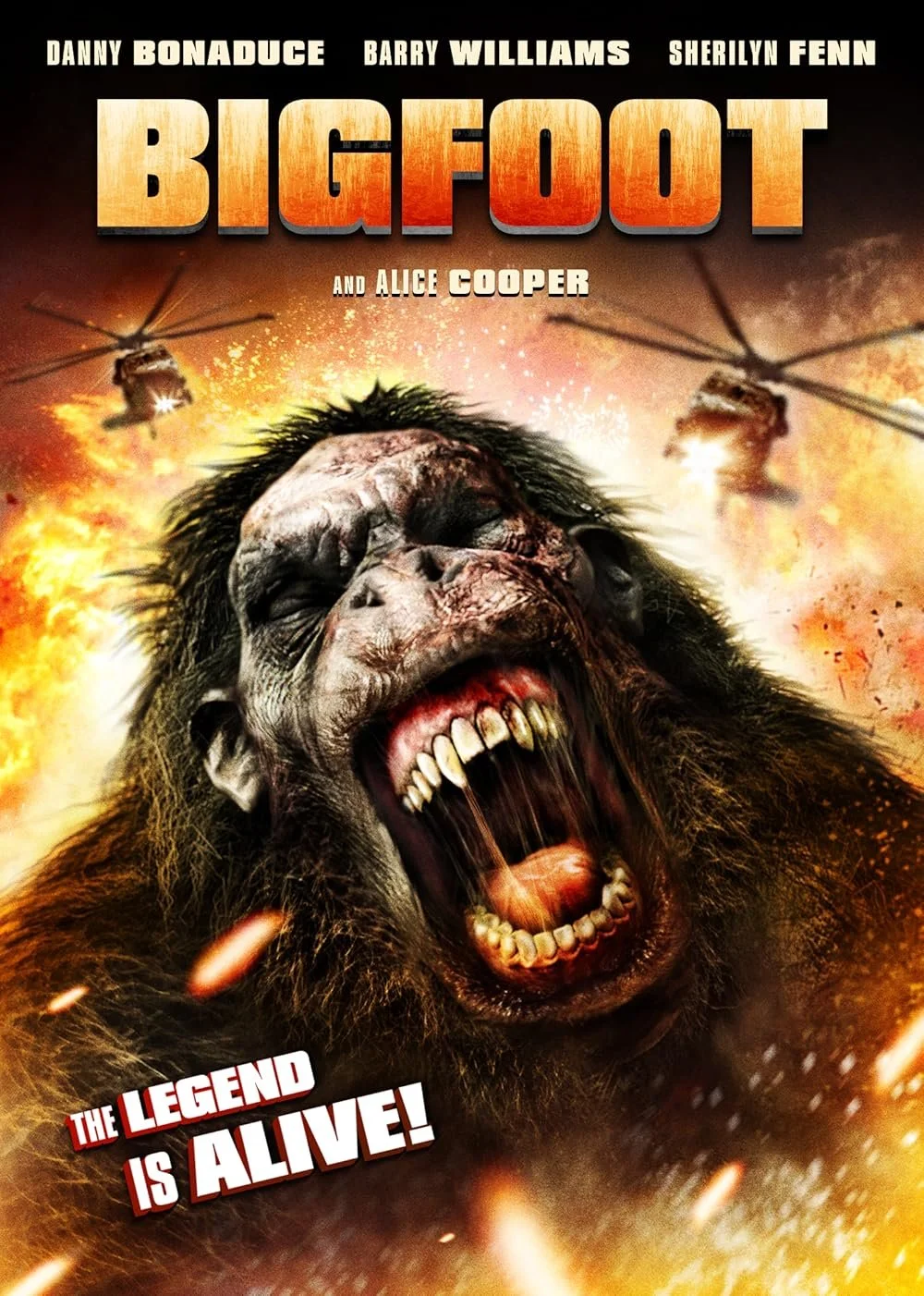
So I didn't grow up with PREDATOR and didn't get to it until I was researching BIGFOOT, one of the movies I wrote with Brian Brinkman for Syfy and The Asylum. We wrote a million drafts with a million different versions of BIGFOOT, and we kept failing the logic tests the producers and executives threw back at us. The fundamental problem was: how scary can a lone, moderately large humanoid be? Hit him with a .50 cal round and you win.
So I studied movies with similarly-sized monsters to see how others had handled it. The genius at the heart of PREDATOR is the combination of high-tech weapons and cloaking systems married to the honor code. The showdown ends up being an even fight, without having to pay taxes to credulity. Nobody in the world understood this better than Dan Trachtenberg, which is part of what made PREY so brilliant.
How did you come up with the PREDATOR: KILLER OF KILLERS premise? Was it as simple as approaching it from the long-held fan perspective that a Predator film works "best" if you take the Predator and drop it in "X Movie"? Or did you have an outsider perspective that you wanted to bring?
I didn't come up with the premise, Dan and [co-director] Josh Wassung did. I had been around test screenings for PREY, giving feedback to the team. Dan appreciated my perspective, so he brought me into KILLER OF KILLERS, which started with the simple sandbox logic of: 1. a viking vs. a predator, 2. a ninja and/or a samurai vs. a predator, and 3. a WWII pilot against a predator. He also had the idea for the Arena from the beginning. I loved the premise from the minute I heard it: anybody who ever played with action figures as a kid would love it.
Were there any specific scenarios (e.g. Predator vs Pirates) that you weren't able to get into with KILLER OF KILLERS that you'd like to tackle down the line? If so, what are they?
I'll just say “yes.”
You've mentioned before that you are of mixed race in previous interviews, and with that comes a certain purgatory of existence where you are in-between spaces in regards to race. Do you try to implement that existential feeling with your characters in your writing? Do you find it helps make sense of a world that often feels like it's trying its best not to?
Yes, I am half Rwandan Tutsi and half white American (Dutch and German, predominantly). I'm fundamentally an alienated person, which is why I've always been drawn to the land of make believe. A lot of people in Hollywood are like that: at some point, they made the decision to run away with the circus. There's always a reason.
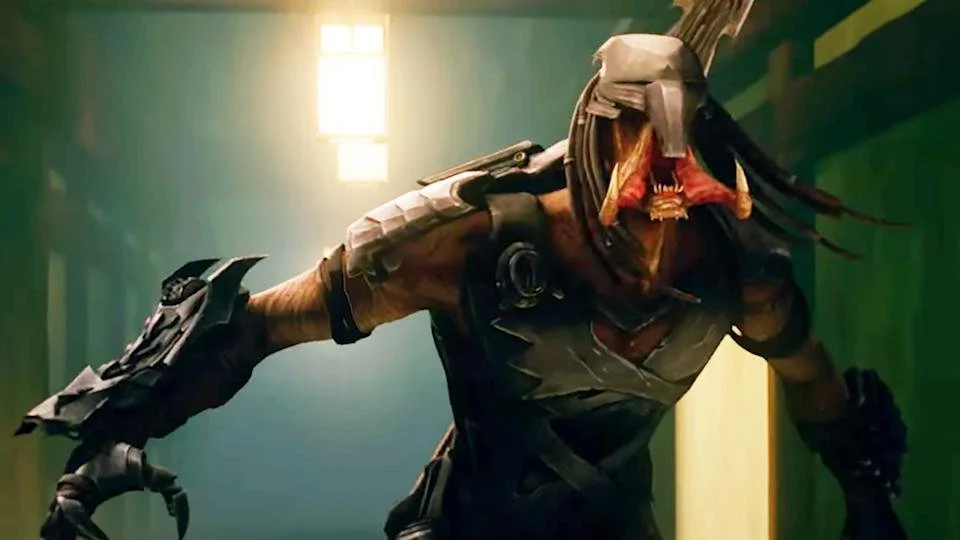
My personal alienation informs my outlook on the world and my approach to worldbuilding. I'm a Calvinist-Atheist, so I believe that the die is cast, that everything we do is fated, that we are hurtling inexorably toward oblivion. I always fight for the grey, for an amoral universe in which a character we love can be cruel in one moment and tender in the next. Ursa and her world exemplify this the most, for me, of all the KILLERS vignettes.
My heritage as a Rwandan Tutsi and a white American inform my approach to handling violence:
My earliest ancestor on this continent was a Puritan minister who was also an Indian fighter. He participated in the Pequot War, which resulted in the destruction of the Pequot nation and the expulsion of many of its members. As an American, I feel the pull of the same myth that brought my ancestors here, that innocence can be bought with blood.
On the other side of my family, my dad has childhood memories of being expelled from his land, made an internal refugee in Rwanda. Later, when I was a kid, my grandparents, along with several of my aunts and uncles, were murdered during the Genocide against the Tutsi. I'm working on a book with my uncle about his experiences surviving the genocide, as well as the insights we as a family have gleaned from the bottom of that abyss.
So violence, for me, is about history. It's about power and control and safety and security. It's about intergenerational trauma. Writing vicious, brutal, and inhuman violence is an act of catharsis, a chance to kill the monster.
Do you have a favorite Predator film? And with that, do you have a favorite Predator in any of the films (including the two crossovers)?
My favorite Predator film is the original. I love all the weapons Dutch and the other commandos use. I love the setting and its geopolitical context. I love that these guys all seem to be grizzled Vietnam vets. I love how the Predator is doled out bit by bit until that sickening moment when he roars with his mask off. It's a beautiful Heart of Darkness story. The others all have something going for them, but the first one, and then PREY, are the tightest and the best.
That being said, I like the different styles of predator that are introduced, especially in PREDATORS. My favorite is the Berserker, along with the rest of the Super Predator crew. I like that movie a lot, because it pits the worst of the predators against the worst of the humans.
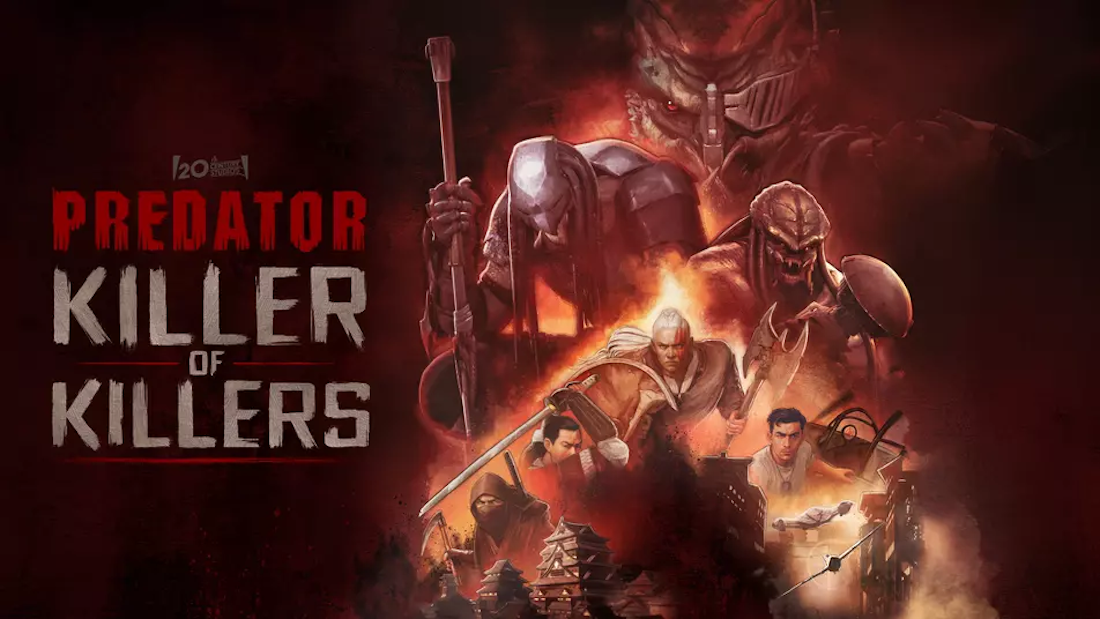
PREDATOR: KILLER OF KILLERS is now streaming on Hulu and Disney+ International.