

4 Potential SINNERS Sequels

Enhance your calm! No, not every movie needs a sequel nor are there any plans for one (at the moment) for Ryan Coogler’s sensational SINNERS.
However, there’s a grand tradition of movies like these birthing sequels and spin-offs in Direct-To-Video and other forms. One of SINNERS’ greatest influences—FROM DUSK TIL DAWN—has two DTV sequels and its own remake TV series. There was a time that a hit horror film would birth a slew of sequels—looking at you DEEP BLUE SEA, ANACONDA, LAKE PLACID, PROM NIGHT, TREMORS, and more.
So let’s say SINNERS does end up getting some sequels…what should that look like? There are some basic elements that need to be carried forward into subsequent entries:
It needs to be centered on a Black (or at least non-white) community.
Music must be major component.
There should be themes around religion.
And, of course, feature fierce vampires that become hive-minded legion once bitten.
With those tenets in mind, here are my four suggestions for where/when sequels to SINNERS should take place.
1. Harlem Drag Houses, 1987
Famously depicted in PARIS IS BURNING, the mid-to-late ‘80s drag scene of New York would be a great setting for another SINNERS. This moment in time would end up influencing fashion, music, and more (most famously through Madonna’s 1990 song “Vogue”) for years to come, including to the present day. It was a safe space for LGBTQIA+ people to gather—mostly non-white members of the community—that would end up becoming prey to all sorts of culture vultures. But these weren’t just places of influence in the arts and entertainment ready to be co-opted, but also truly sacred times where families were forged amidst the dancing and music.
Add into that inclusive atmosphere the very real issues of the AIDS epidemic impacting virtually all participants, and it’s a situation ripe for allegory of vampires feeding on fears, otherhood, and exploiting those that feel like outsiders—all of which is pretty in line with what we saw in SINNERS. Plus you’d get some incredibly gorgeous dance numbers and outfits.
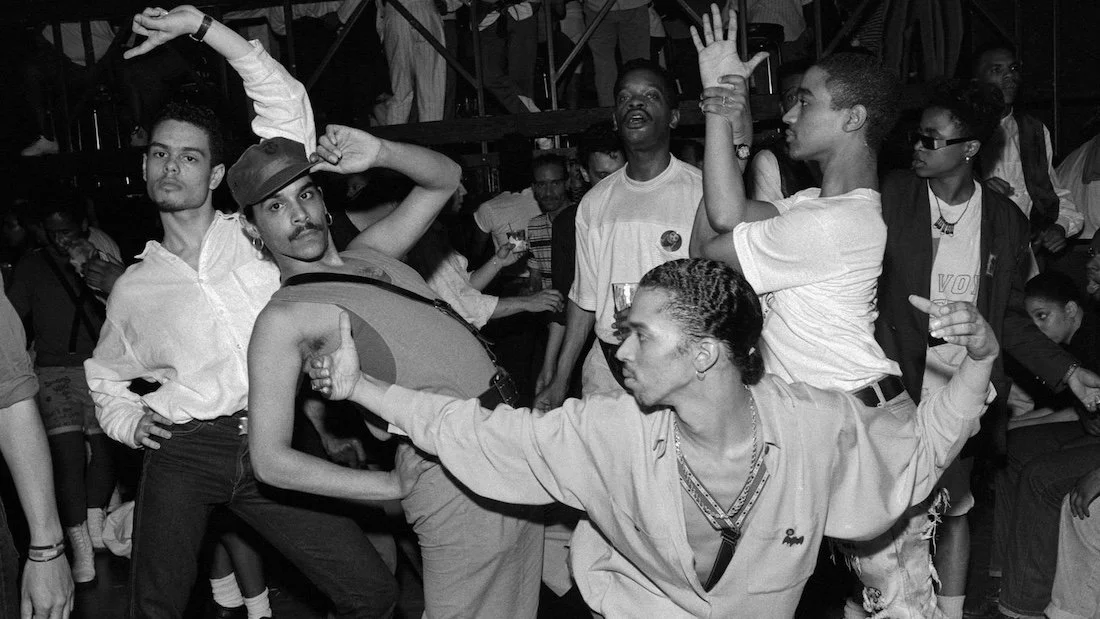
Photo by Chantal Regnault
2. Detroit techno scene, mid-1970s
Early techno usually conjures up German groups or English clubs, but a lot of its roots began with Black musicians in 1970s Detroit. It makes sense given the industrial nature of the city at that time, home of auto plants and more manufacturing, that those sounds would give way to a genre of music. Here’s a short film on its origins:
This SINNERS sequel would shed light on this lesser known scene, which makes it all the more melancholic that history would eventually overlook so many of these musical pioneers. In the shadow of Motown, these techno artists forged new paths that would be co-opted by much more famous people (most of them white). The movie could take place at a rave (for lack of a better word)—similar to SINNERS’ all takes place in one day story—where, for a few magical moments, these unsung musicians got to shine before it all turns to shit with the vampires (and their genre being popularized by those so far removed from them).
3. Battle of San Juan Hill, 1898
This one is a biiiit of a stretch as there is no direct musical connection like the other proposed SINNERS sequels, outside of a very famous song about the participants, but it’s another slice of overlooked Black history that works nicely with the other themes in SINNERS. During the Spanish-American War, many Black cavalries were sent to fight alongside the Rough Riders and more in Cuba. As this page points out, “of the 17,000 U.S. troops sent to Cuba, 3,000 were Black.”
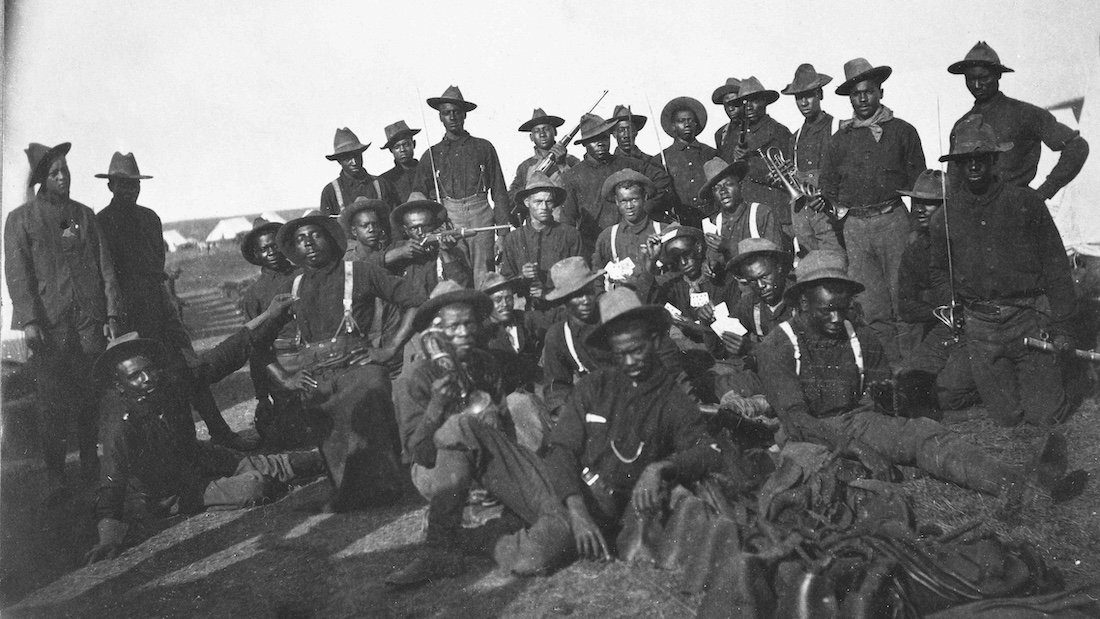
These Buffalo Soldiers, as they were often called at the time—a term that became even better known by people at large thanks to Bob Marley’s song—were usually helping to fight in the territories and settlements against indigenous people. Now they were called to fight in a preposterous war, although this time they were actually integrated with white regiments and soldiers. This is a very unique moment in time that is fraught with complications around identity: these kind of free men fighting in a trumped up war in a moment that could be seen as progressive with its integration, but was all in service to bloodshed and lies.
Also, having trained soldiers as main characters would increase the impressive aspects of the action scenes.
It’s a taut setting for a SINNERS sequel and it wouldn’t be too hard to have imagine the Buffalo Soldiers gathering for a bit of song and fellowship the night before battle (not unlike that one scene in GLORY). Again working in religious themes alongside the questions of identity and culture.
Are the vampires really exploiting these men and their desire for community or has it already been manipulated by the US government? This main not be the most obvious follow-up to SINNERS, but it is primed to have a lot more on its mind than the usual sequel fare, making it a worthy successor to Coogler’s original.
4. New Orleans jazz halls, March 19, 1919
Yes, that is a very specific date…for a reason. True crime aficionados may recognize the day as it is a key moment in the infamous story of The Axeman of New Orleans. This serial killer terrorized New Orleans from May 1918 to October 1919, killing up to 17 people…allegedly. The killer was never caught, though there are many many theories as to who it was and what happened to them, so a lot of the details of the actually murderer and his actions remain mysterious and unsolved. But one thing that did concretely happen was that on March 13, 1919, newspapers ran a letter purporting to be from the Axeman who wrote that “he would kill again at fifteen minutes past midnight on the night of March 19 but would spare the occupants of any place where a jazz band was playing.”
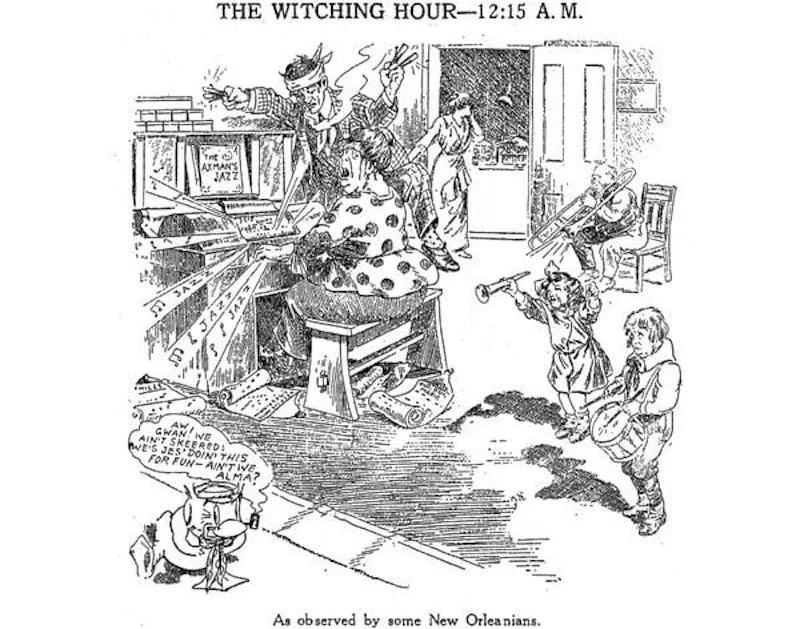
March 19 came around and all of the jazz halls of New Orleans were alive with music to keep the Axeman at bay. Musicians played all over town and in private parties and more to stave off the murderer. So for one heady night, New Orleans was bursting with music more than ever before while a killer (allegedly) stalked the streets.
While this doesn’t have as much racial connotations as the other entries, it’s not implausible that predominantly Black spaces were suddenly filled with petrified white people hoping to escape the Axeman’s blade. It’s a very specific moment in time where bloodshed and beats mixed together for one night.
And while there were no murders on March 19…who’s to say vampires didn’t abscond with some people that evening?