
My Mixtape’s A Masterpiece is a weekly feature in which a guest compiles a playlist around some theme. This week, Kiley Fox assembles 12 songs perfect for accompanying sticking it to The Man. Read Kiley’s thoughts on each song and listen along to the Spotify playlist on top and/or the YouTube playlist at the bottom of the post.
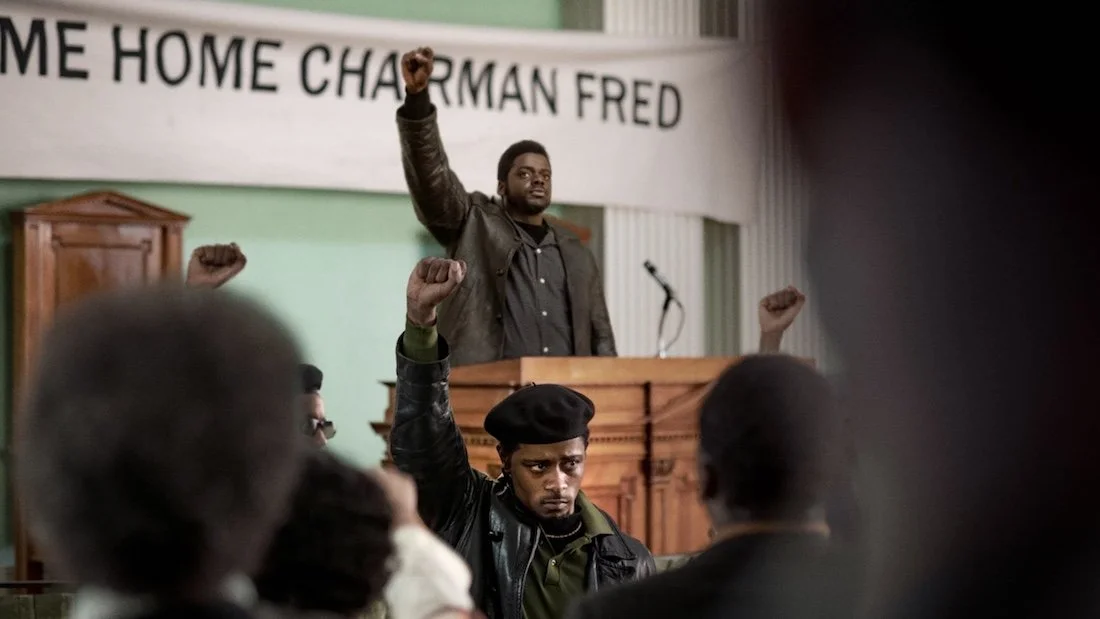
When it comes to revolution and protest songs, direct is usually best for a powerful yet concise message. That being said, there is a special power in the revolution song that gets embraced by mainstream America and slowly indoctrinates them into a message of resistance.
In some cases, it should be obvious that it’s a protest song, like Bruce Springsteen’s “Born in the U.S.A.” I still can’t wrap my head around those folks who thought it was an anthem of nationalism. This convinces me even further that no one reads past the headline, both literally and symbolically.
Other times, the revolution song is more subtle either by design, or the audience is unaware of the context. This tends to be the case especially with songs from foreign artists. My favorite is when the beat is just so damn peppy and catchy that audiences don’t even realize there’s any angst present at all!
So here we go, a mix of some well-known songs old and new that went under the radar of being a revolution song.
1. “Tubthumping” by Chumbawamba (1997)
“Tubthumping” means to express an opinion loudly, violently, or dramatically. While the song on the surface sounds like a song about drinking and being able to party hard, the reality is that this is Chumbawamba proudly proclaiming that they will not stand down on their progressive views in their art. The band was formed in 1982 and created music influenced from many genres with a focus on social and political messaging. They were so devoted to their political art that they made two albums called English Rebel Songs where they covered historical folk songs of resistance. These two albums are my favorite of theirs, but I recommend the entire discography.
2. “Electric Avenue” by Eddy Grant (1982)
Disguised by a funky beat and easy to remember chorus, this song is about the racial tensions and poverty affecting the Black community in Brixton, London. Like other songs on this list, the lyrics are clear, but for US listeners, it was the context that was missing. I hope the popularity of this song did bring about not only awareness to the issue but also change.
3. “Last Train to Clarksville” by The Monkees (1966)
This is the song that inspired this list. Since I was a small kid, I have been a fan of The Monkees. I love the music, the television show, and I was convinced I’d marry Peter. Something about this song always stuck with me, and it was that lyric, “And I don’t know if I’m ever coming home.” When I was younger, I wondered why it was so dramatic. Once I got older and was studying history in high school, I finally understood it was a comment on the Vietnam War. I appreciated the subtle yet scathing disillusionment.
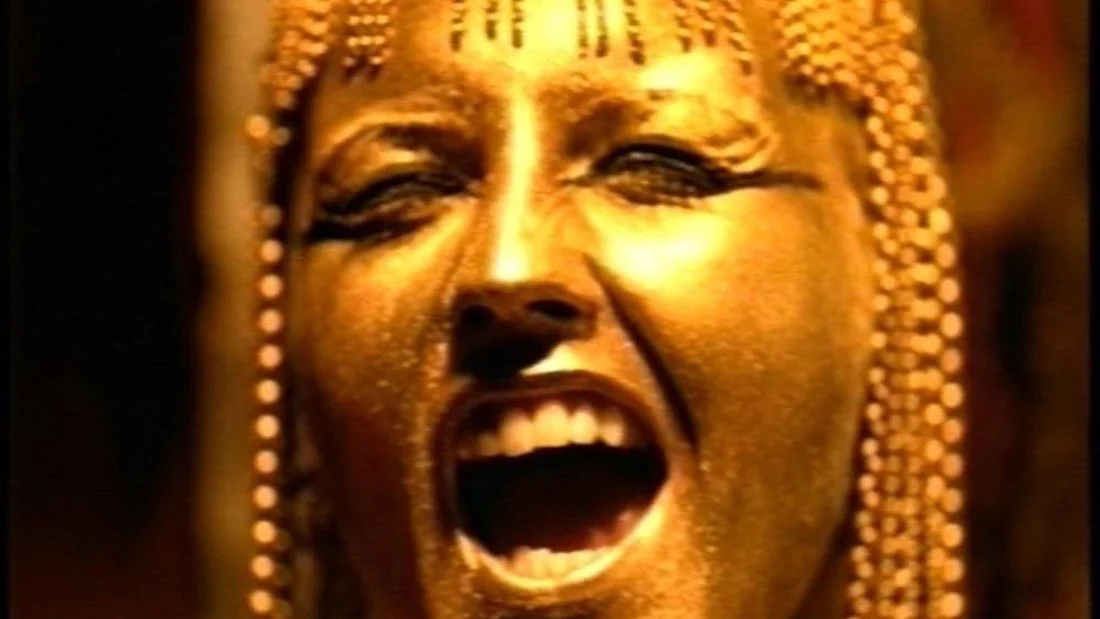
4. “Zombie” by The Cranberries (1994)
This song is chosen not because it went under the radar. It was chosen because years of zombie-themed movies, television shows, and video games have neutered the meaning and rage of the song’s original intent. It is unfortunate that because of that one word, which was originally meant to be a metaphor for the horror of The Troubles, the song became an anthem for fantasy horror instead of real life horror.
5. “American Woman” by The Guess Who (1970)
This song by the Canadian band The Guess Who (and later covered by Lenny Kravitz) has been considered a protest song against the US politics of the time, specifically the draft of the Vietnam War. In 2013, Burton Cummings said in an interview that it was not political and simply about preferring Canadian women. This is at odds with the other two members of the band who have said it was about the draft and their time touring American cities. Nonetheless, it is regarded as a politically charged song about the aggression of the US government.
6. “This Land is Your Land” by Woody Guthrie (1940 Original Version)
This is one of those songs where the people who adopted it as an anthem of nationalism completely missed the point. It was composed as a critique of American politics and income inequality. In 1945, this song was published editing out the anti-American criticism, and embraced as patriotic. My first introduction to this song was in Sunday School. Had we been taught to sing it in praise of social justice, that would have been a very compassionate Christian thing to sing indeed. Unfortunately, the version we were taught lost all meaning of equality and was another example of how the Christian church and extreme nationalism are intertwined.
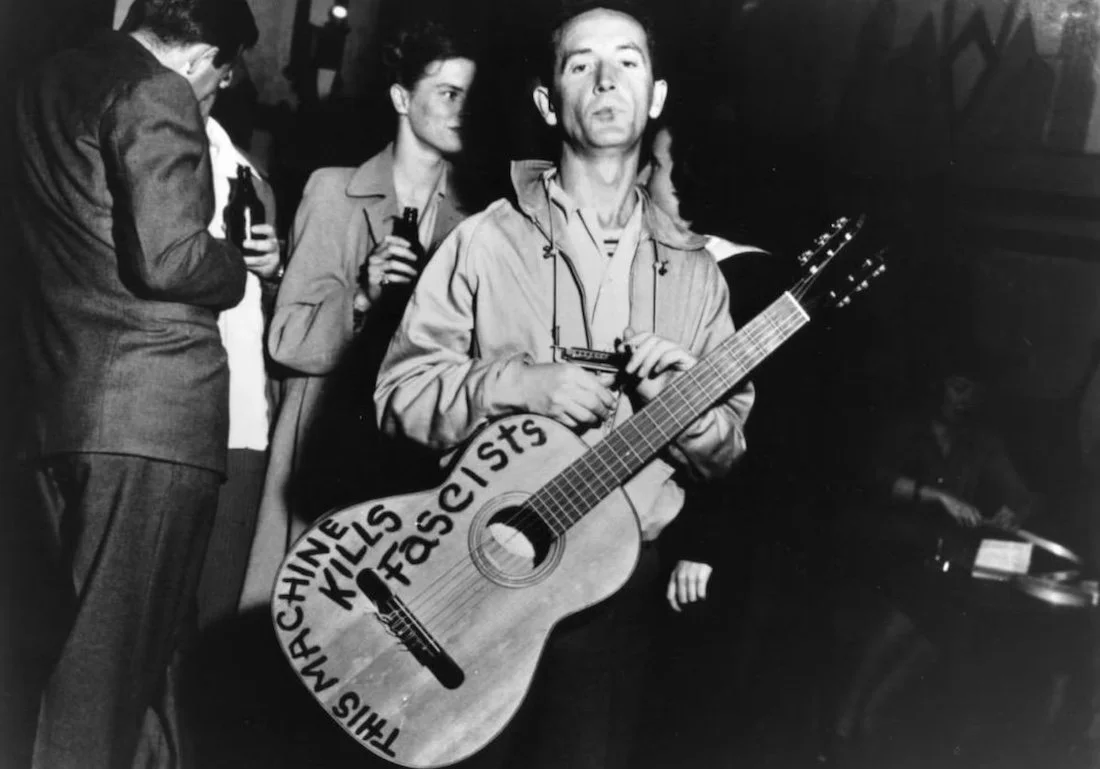
7. “If I Had A Hammer” by The Weavers (1950)
Written by the great activists Pete Seeger and Lee Hays, this song became an inspiration for many young people during the Civil Rights movement and beyond. The beautiful thing about Pete Seeger is that, like John Denver, he gave off the impression of a soft spoken, sensitive, tender hearted artist…and by all accounts they were! But they were also fierce in their activism and integrity. Their contributions to music and politics show us that just because you are soft spoken does not mean you are weak. Their work continues to inspire generations to fight with a heart full of empathy and compassion as a weapon for social justice.
8. “99 Luftballoons” by Nena (1983)
You may also recognize this song by its English version, “99 Red Balloons.” The song tells a story where simple red balloons are mistaken as a threat of war, and devastation is incurred by the military attacking in full force. It is an anti war song. Whether you prefer the English or original German version, it’s hard not to love its dreamy melody and the sweetness of the lead singer’s voice. Nonetheless, this angelic song is vehemently anti-war.
9. “Biko” by Peter Gabriel (1980)
This is another song that is popular without context for many American listeners. Peter Gabriel wrote this to eulogize the South African Anti Apartheid activist Steve Biko. This song is haunting and intentionally sparse to illustrate the violence of Biko’s death and to honor his heritage. Peter Gabriel has long been and continues to be a champion of human rights. This is an early example of that in his work.
10. “The Message” by Grandmaster Flash and the Furious Five (1982)
Most famous as an example of early rap going mainstream, this song details the struggles of inner city life and the oppression of Black Americans, specifically by the police. This song may be more influential as a foundation of modern rap music, but it is also an example of how rap and hip hop music were born from a place of social injustice and revolution.
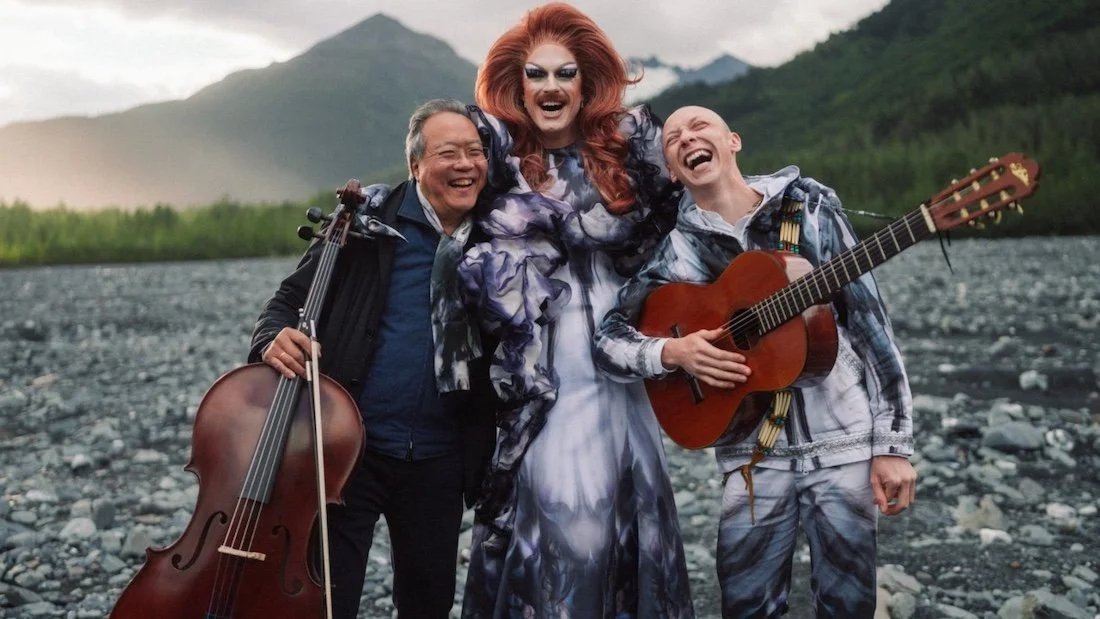
11. “Won’t Give Up” by Pattie Gonia, Yo-Yo Ma, Quinn Christopherson (2023)
Pattie Gonia is a climate activist and drag queen. She teamed with Yo-Yo Ma and Quinn Christopherson to write and perform this song paying tribute to the melting glaciers and as a promise that climate activists would not give up on fighting for Mother Earth. It also does double duty as a song of hope for a better world. One of the most striking parts of this gorgeous song is how Yo-Yo Ma uses his cello solo to mimic the sound of the cracking and shifting ice in the glaciers as they melt.
12. “Little Boxes” by Malvina Reynolds (1962)
Not surprisingly, Malvina was a friend of Pete Seeger, also on this list, and he even charted with his version of this song. You may recognize it from the theme of the TV show Weeds. The song is social commentary on conforming for the sake of convenience and trying to ignore the social injustices of the world by building little suburbs that wipe out diversity and ugliness. Malvina recognizes that the suburban dream is a dream to conform and be safeguarded from reality. I particularly love this one, because as the income inequality grows wider, we see very clearly the people who protect the wealthy, not because they are, but because they hate the poor.