
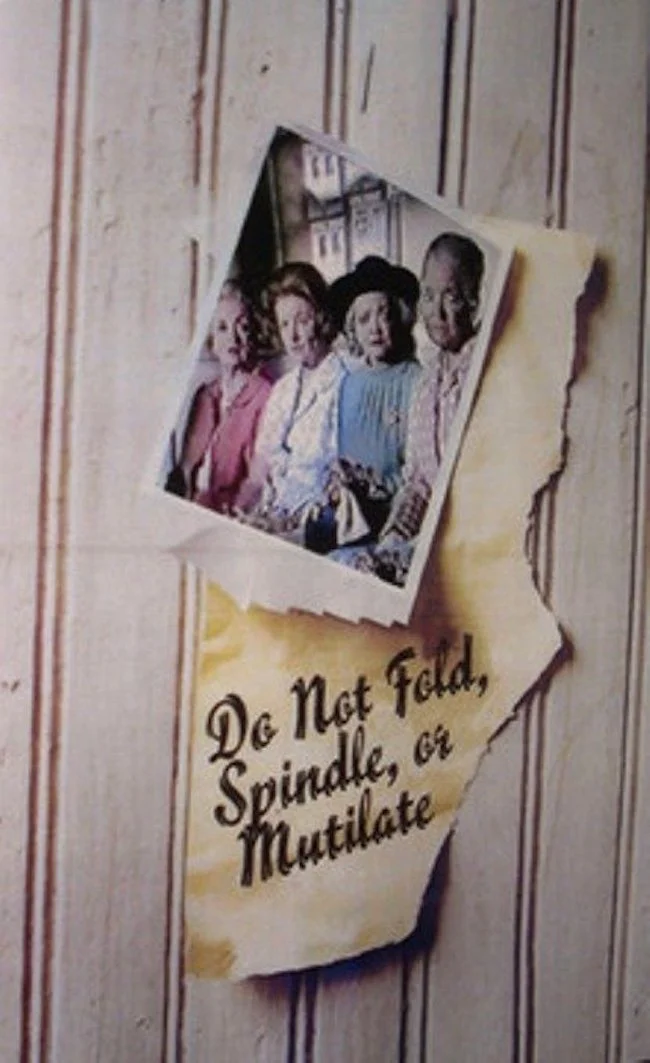
In media studies, film is generally recognized as a worthwhile artform. But the made-for-TV movie remains an underdog that goes underappreciated, even disrespected. Sure, there are plenty of trashy, rushed, cheaply made tele-films. But the same can be said for theatrical features. To call attention to some un-sung gems, let’s add a made-for-TV movie to the watchlist. I’ll start with a horror-thriller from 1971, DO NOT FOLD, SPINDLE OR MUTILATE.
What I love about this one is that it could be described as “Murder, She Wrote meets The Golden Girls.”
No one would’ve pitched it that way, since it pre-dates those TV shows by over a decade. But today’s audiences will get my points.
This is a movie about older women.
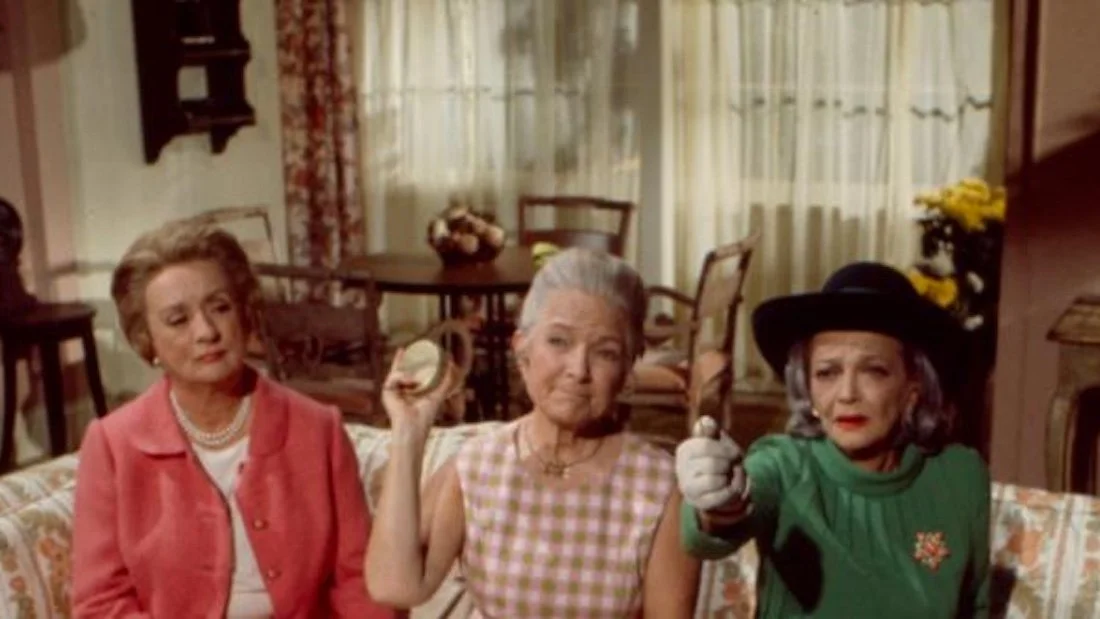
The star-studded cast includes Helen Hayes, “The first Lady of American Theater” (who may be better known for her role in AIRPORT). The two-time Academy Award winning actress is joined by Myrna Loy (from THE THIN MAN), Mildred Natwick (from 3 GODFATHERS) and Sylvia Sidney (from MERRILY WE GO TO HELL). By 1971, these mega-talents were in their sixties and were not being offered juicy roles. But this TV movie makes them the heroes in a suspenseful adventure filled with comedy and murder.
Four old friends meet up for lunch and discuss changing fashions. Sophie T (Helen Hays) produces a questionnaire from one of those computer-dating services. The gals create a fictional young woman named “Rebecca Mead”, just to see what kinds of men apply for a date.
This is the kind of “harmless prank” associated with teen girls in movies like GHOST WORLD or I SAW WHAT YOU DID. Regardless of how old the participants are, the prank goes awry.
The fictional Rebecca Mead receives letters from an array of bachelors, including a hot-headed lunatic played by Vince Edwards (Stanley Kubrick’s THE KILLING) His loner/loser, Mal Weston, is made all the creepier because long stretches of his dialogue-free scenes play audio of his inner-thoughts. (This kind of low-budget innovation is something I love about these TV movies.) We hear Mal get antsy, then remind himself to tell his date about the book he’s writing. (A man mentioning his manuscript is a red flag for any decade.) The running thoughts provides tension and even some humor. (In a moment of frustration, Mal tells himself to “calm down, have some soup!”)
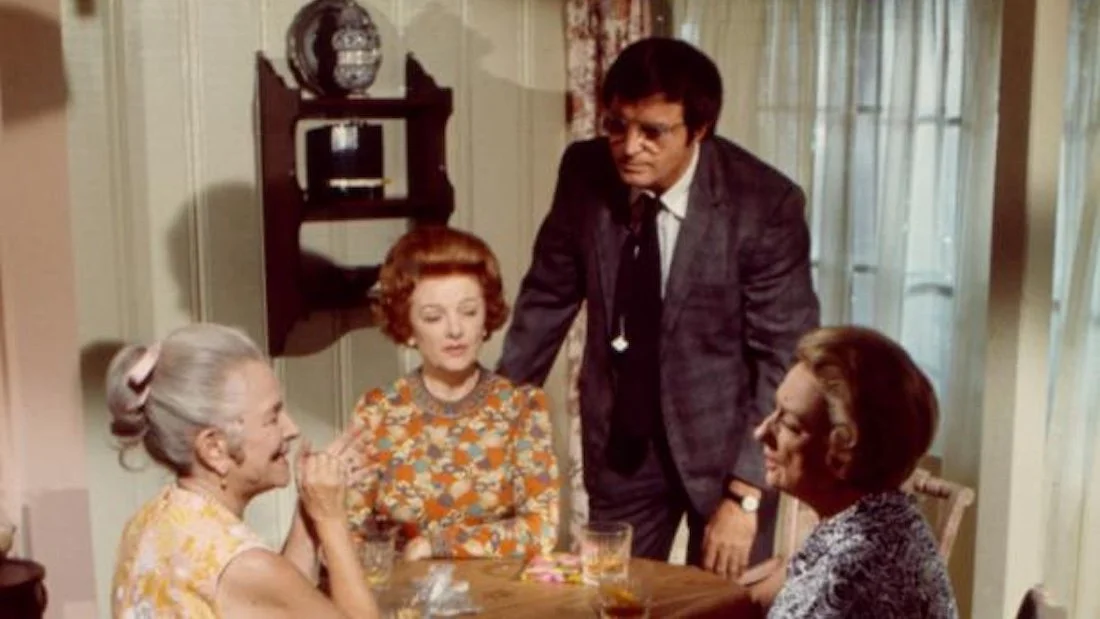
Meanwhile, the four older ladies go about their weekly gathering of card games while drinking rounds of Old Fashioneds. We get to know them a little better. From Shelby’s hang-ups to Elizabeth’s penchant for drinking a little too much. Plus, we get some lines of dialogue that speak to the technological advances of the era. (“Have you seen those new electronic ovens that can bake a potato in 5 minutes?”)
DO NOT FOLD, SPINDLE OR MUTILATE has so much going for it, including:
Direction by Ted Post. He made this the same year he directed BENEATH THE PLANET OF THE APES. Making Ted Post a Robert Aldrich type of director who is at east making something as violent as MAGNUM FORCE, as he is helming a character-driven mystery or a character-driven mystery like this.
The story comes from a novel by Doris Miles Disney (no relation).
A frantic, jazzy score by Jerry Goldsmith (giving us our second Planet Of The Apes connection).
Sylvia Sidney wears a variety of hats.
Like nastier grindhouse films from this era, the police are shown to be less than professional. When the cops are investigating Mal Weston’s apartment, one officer can be seen in the background, examining a centerfold in the suspect’s Playboy.
DO NOT FOLD, SPINDLE OR MUTILATE aired on November 9, 1971, as an ABC Movie of the Week. A year later, NBC cast Helen Hayes and Mildred Natwick as “The Snoop Sisters.” Not a canonical sequel, but the characters emulate the same dynamic that makes the movie so much fun. THE SNOOP SISTERS had a total of five adventures, each airing as part of The NBC Tuesday Mystery Movie.
This is a refreshing piece of work to see filmmakers putting their faith in older women to carry a movie. And trusting audiences to go along for the ride. Maybe that’s something that’s unique to these TV Movies, which were targeting the women of the household, since advertisers wanted the attention of the family member that did the shopping.
Some of the best-known TV movies from this golden age have been released on home video from imprints like Kino Lorber, Shout Factory and Iconoscope (a sub-label of Vinegar Syndrome that specializes in television). You probably can’t track down an official DVD or Blu-Ray of DO NOT FOLD, SPINDLE OR MUTILATE – but like a lot of telefilms, you can find it on YouTube or Internet Archive.
One more case for this sub-genre: it’s user-friendly for a busy 21st century viewer. Most of the stories from this golden age of made-for-TV movies were designed with commercial breaks. Each film is usually 73 minutes. So, you can start watching at 10pm and still get to bed before midnight.
