From 1972 to 1983, an entire generation of kids knew it was time to go to their room and let their parents watch TV when the MASH theme song began to play. From a kid's point of view, it must've looked like a stuffy war drama that was too serious to be any fun, and we all wondered why our parents felt so drawn to it. I grew up on classic television like The Dick Van Dyke Show, I Love Lucy, and Taxi. The theme to Green Acres was on one of my first mixed CD's. I got an autographed picture of James Arness for my 16th birthday and got up at 5am every morning to record Gunsmoke on VHS. Nick At Nite was my escape, and yet in all of this, MASH continued to miss me until my late thirties. Of course, I knew of it. I knew that Alan Alda was heralded as a God by my parents. I knew the name David Ogden Stiers very well, because my Grammie would yell it out every time he was guest starring in a different show. I also thought that with character names like Hawkeye, Radar, and Trapper, that it had to be a show about “cool military guys.” Which, I'll be honest, did not sound thrilling to me with a veteran dad who has PTSD. So, I never looked for MASH. But, MASH found me.
One of my day jobs is to care for the elderly as a private CNA. I've always found it easy to build relationships with the older generations because most of my interests lie pre-1970. In fact, it's usually me who wants to watch MeTV or TVLand, instead of whatever new hospital drama is on prime time. MASH airs from 5pm to 7p central, Monday through Friday on MeTV. Instead of the godforsaken daily news of fascism, we watch MASH. From my first episode to now two years later having watched the entire series and movie, I'm not just hooked, but a devout worshiper of the religion that is the 4077. If you don't know what MASH is about, because I didn't truly get it either, let me tell you how I wish someone would've described it to me. It's a show about ordinary and relatable doctors trying to save lives, who use humor, friendship, and love to cope with their horror and despair in the unforgiving and brutal environment of the Korean War. Yes, it's dramatic, but it's also funny, emotional, progressive, thought provoking, and heartwarming, often all in the same episode. It's television that is an all-out assault on your heart and sense of justice.
I wish I had another show to compare it to, but there simply isn't any at MASH's level of excellence and consistency. Strong words from a girl whose favorite movie is JASON X, I know, but hear me out. MASH's strength lies in that each of its characters feels like someone we know personally or feel are just like us. There are no McDreamys or high-powered, high fashion city elites. It's not a showcase of current trends with two-dimensional roles and one-liners. Each character feels lived in, complicated, and truly human, for better and for worse. It is so simple in its concept. Decent ordinary people trying to survive a horrible situation while still trying to do the right thing. The funny thing about that is it is what we're all trying to do. It's just called living. MASH is about being human in the face of the inhumane. Right now, as the country nose dives into something resembling the Third Reich, this is the show we need.
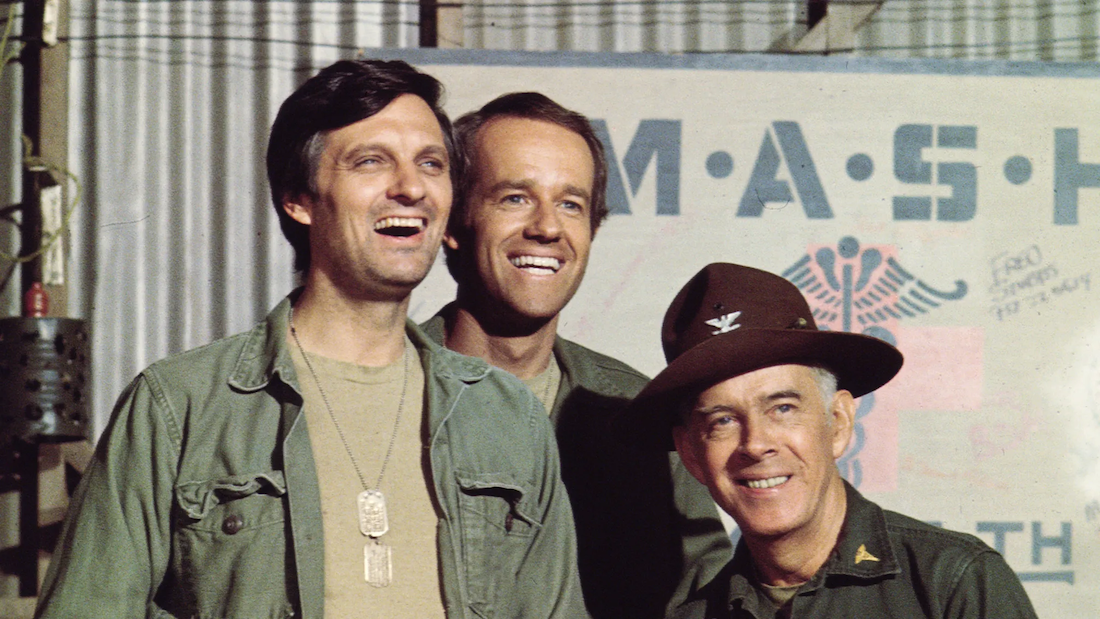
MASH ran for 11 seasons on CBS, and its series finale is the most watched scripted television event still to this day. This show had massive reach as far as audiences go. It starred Alan Alda as Captain Benjamin “Hawkeye” Pierce. Alda went on to produce, write, and direct for the series as well. Gary Burghoff portrayed the lovable and innocent Radar. Loretta Swit as the captivating Major Houlihan. Actor Jamie Farr was Maxwell Klinger the entire run. Wayne Rogers played Trapper John McIntyre in the first three seasons. It also is a treasure vault of guest roles for up-and-coming actors like Patrick Swayze, in the episode “Blood Brothers” (season nine). John Ritter has a mental breakdown in the episode “Deal Me Out” in season two. Ron Howard even appears in season one. Recurring characters played by Pat Morita and Alan Arbus repeatedly brought humor and emotional depth to every episode they appeared on.
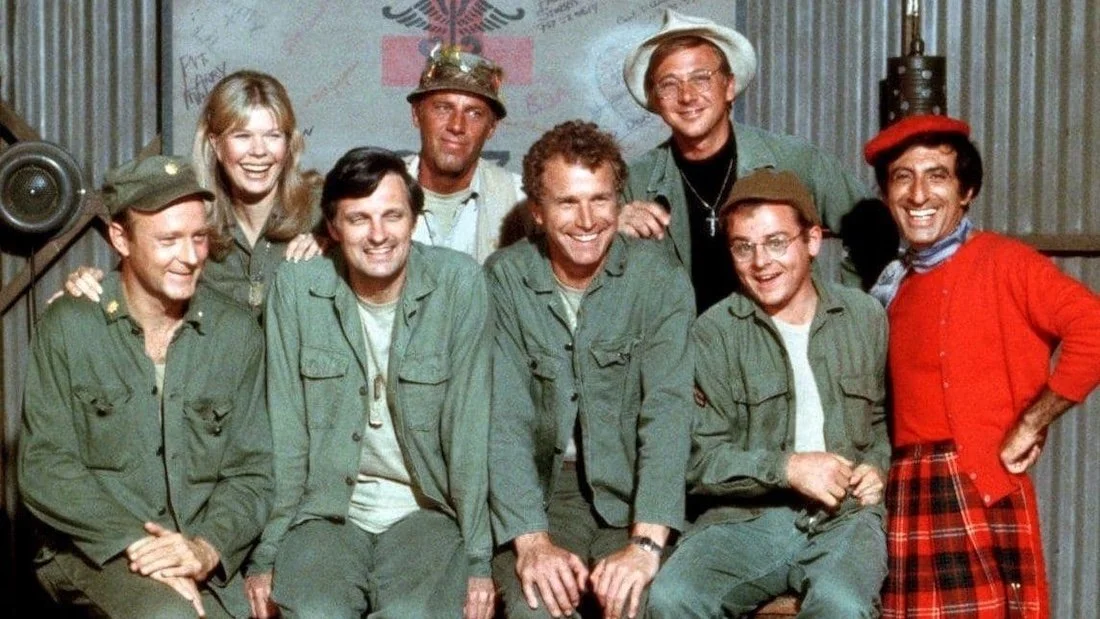
Seasons one through three and four through eleven feel like two versions of the same show. I think when most people think of MASH they are thinking of the Colonel Potter played by Harry Morgan-era that also brought on David Ogden Stiers as Major Winchester. While MASH was still impressive in its first three seasons, it truly finds its stride in season four and forward. It goes from being more heartfelt sitcom-oriented to a masterpiece of character development and writing. With the exit of Major Frank Burns (played by Larry Linville), and the introduction of Potter, Winchester, and Mike Farrell as BJ Hunnicutt, the characters become much more well-rounded. Loretta Swit's character shows the most natural growth and by the end of the series you love her dearly. Ultimately, after season three, there are no characters meant solely to be the antagonist. The antagonist is the war. The story is how all these decent people try to work together to navigate it.
MASH didn't pull punches on its characters. In the first three seasons, the three main males are womanizers. They are actively cheating on their wives and lying to women about their intentions. The women are not necessarily better. These characters are openly flawed. But even with these flaws, the characters are so well developed and written that they don't feel evil. They simply feel very realistic and human, and the audience is not supposed to always be on their side. After season three's cast change, the characters become more family oriented. This also shows the evolution of the series starting as a comedy of gags to a full blown emotional psychological study of normal people enduring war. I will always prefer season four and on, but I will never change the channel on seasons one through three. I'm telling you this, because if you are only going to give it one chance, start at season four, and once you fall in love, then work backwards. I cannot say enough on how comforting this show has been to me given our current state of affairs.
If you have any empathy at all, waking up every day in 2026 is a test of will, strength, and patience. My mind and heart are in a constant state of crisis. The question we all keep asking ourselves is what do I do? How am I supposed to keep going on as if this is normal? How do I help while also maintaining my own sanity? How do I help when I feel so helpless? How do I find hope when it feels like there is none?
These are the questions and themes being tackled in the undercurrent and sometimes riptide of every MASH episode. How do we go on? And the answer is, we go on because we have to; and we do what good we can with what little power we have. It DOES matter. EVERY life matters. The thing is, it only works if we do it together. So this is why I watch MASH now. When I need hope, or inspiration, or simply for my pain and struggle to be seen, I know that this show understands me. It affirms my humanity and reminds me I have power just by existing and doing my best to help. They say there is nothing new under the sun. Unfortunately, we are feeling that with the current war inside our country, but just as war is not new, neither is the resilience, beauty, and goodness of the human spirit. We can do this, folks. We can. But for when you need a break that reminds you how to laugh in difficult times, watch MASH.