
THE PLASTIC MEN (2025)
Writer/director Samuel Gonzalez Jr. loosely bases his new film, THE PLASTIC MEN, on a Craigslist ad in which a lonely Vietnam veteran searched for a woman who once pulled him back from the ledge of killing himself 40 years ago. “He wanted to thank her for the life he got to live,” says Gonzalez. What the filmmaker crafts is a harrowing, tragically real snapshot of what it means to be a combat veteran re-acclimating to society. He calls the creation of the film a “therapeutic” experience, as he fought in the Iraq War. That’s most evident through the deeply visceral script that glimpses into PTSD and hallucinations–emotionally ravaging byproducts of war, particularly the Vietnam War.
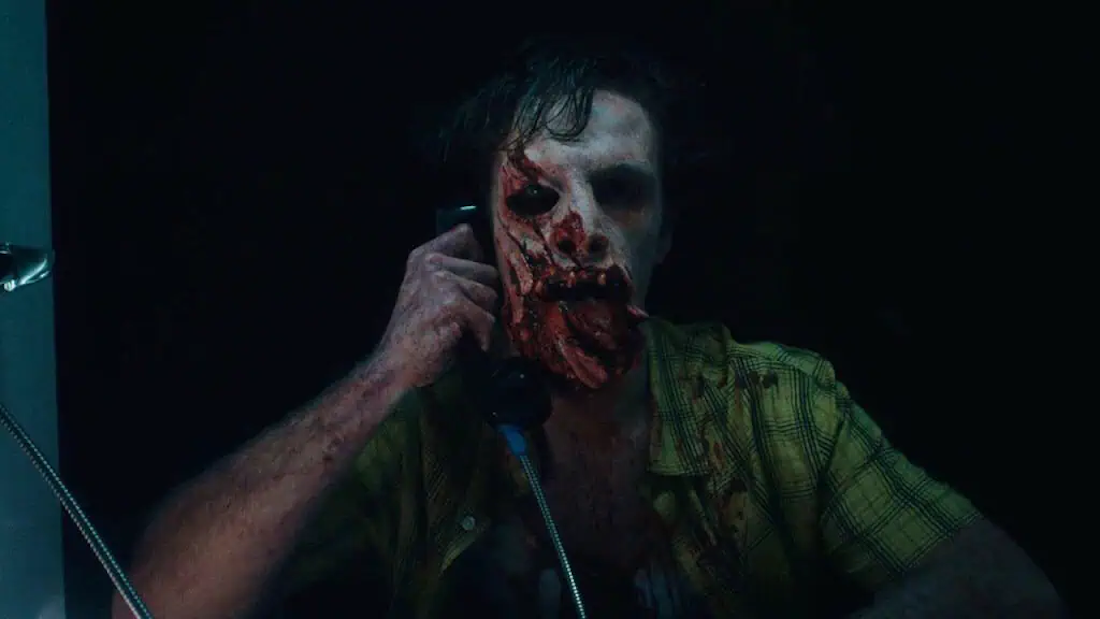
James Preston plays Johnathan Teller, a veteran struggling to cope with modern life. He blames himself for the atrocities he committed and believes he deserves to die for the things he was brainwashed to do. While attending a self-help group for veterans with PTSD, he plans his suicide down to the minute details. What he doesn’t expect is a chance meeting with a young woman named Linda (Gigi Gustin), who serves as the impetus behind Johnathan’s reconsideration of suicide. But as he attempts to recede from the black mental abyss, his mind keeps him chained to the past. Reality-altering images infiltrate his brain and force him to confront what he did, no matter how uncomfortable or colossally disturbing.
In 2023, the National Library of Medicine published a study in which there were 2,465,343 theater veterans and 7,122,976 nontheater veterans identified from the Vietnam War. The study, which examined the time between 1979 and 2019, found that there was no correlation between a higher rate of suicide among Vietnam veterans and suicide. Even so, 94,497 suicides were revealed, and the report stated that the number was still notable.
Also, the lasting impact of PTSD remained considerably high, as of February 2025. The research of two major studies, published in the Journal Of Occupational And Environmental Medicine, spanned a remarkable 35 years and encompassed long-lasting physical effects (such a cardiovascular disease) (study findings) and PTSD (study findings). A sample of 12,400 veterans, who served in the Armed Forces during the Vietnam War, was documented. Data of a subset of 729 still-living veterans, who were deployed to Vietnam, were collected in 1984, 1998, and 2020. In 2020, a reported 9% of veterans still had PTSD, and of those, 15.5% had been exposed to heavy combat.

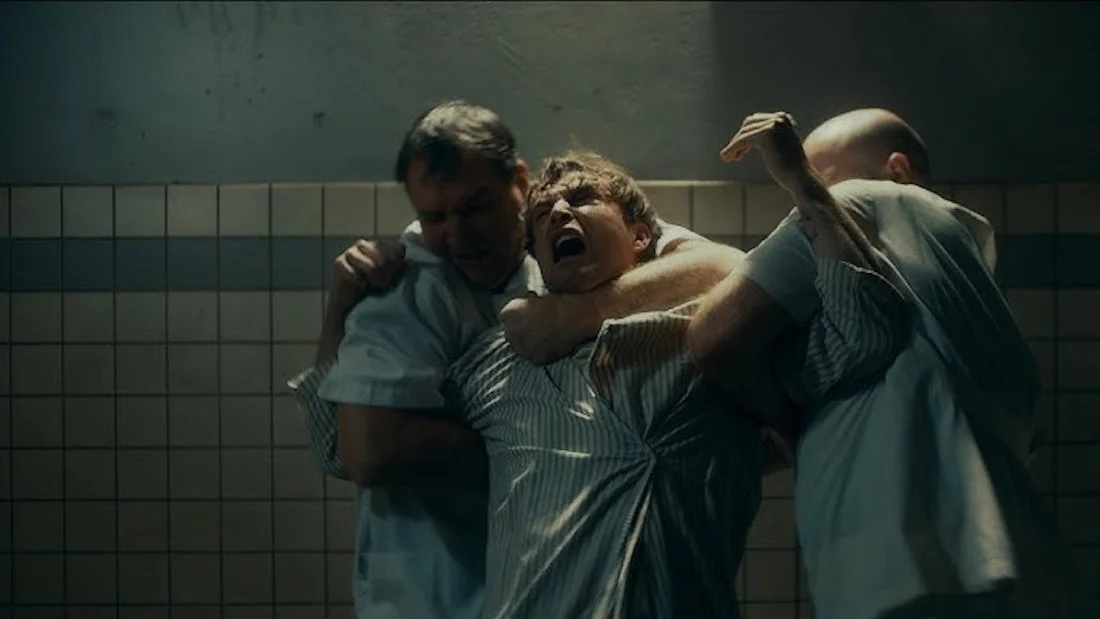
These studies bring Samuel Gonzalez Jr.’s THE PLASTIC MEN into clearer view. The statistics strengthen the emotional meat of the film with a tremendously brutal reality. The writer/director sharpens the characters with deep compassion, understanding that every single person on this planet reacts differently to war. To keep himself occupied, Johnathan takes a job at a local grocery store–but finds himself meandering through the aisles and seeing nightmarish visions. The visual manifestation of his PTSD guides the audience into his deteriorating mind. He’s been savagely beaten black and blue, and the past just isn’t done with him yet.
In tandem with Johnathan’s downward spiral, another veteran from the self-help group, Abbott (Aaron Dalla Villa), finds himself unable to connect to and communicate with others. His temper frequently gets the better of him, and in one meeting, he brandishes a pistol and waves it in his comrades' faces. His finger itches to pull that trigger, as he teeters on the line of pure mania. His extreme PTSD causes outward ripples into his everyday life and gravely influences his friendships, relationships, and work. Like so many real-life Vietnam War veterans, his existence is nearly extinguished by the gnarly, flesh-eating demons attached to his back.
THE PLASTIC MEN lives within the same realm as 1990’s bizarre and provocative JACOB’S LADDER, directed by Adrian Lyne and written by Bruce Joel Rubin. Both serve as startling warnings of war, and, as we’re doomed to repeat history, the films perfectly represent the continuing fragility of human beings. They might be pegged to the Vietnam War, but they are as timely as ever.
Few films come along that tackle these themes as honestly as Gonzalez Jr.’s unique and electrifying perspective. His thoughtful intention and subsequent impact shine with particularly brilliant clarity. While feeling like it could make a very compelling stage adaptation, it remains a powerful cinematic experience, a looking glass of sorts into senseless war, untreated PTSD (if you live in America, you know how the country treats its veterans), and how blindly killing others can destroy who you once were.
