
Joe Carnahan’s Big Budget Resurrection
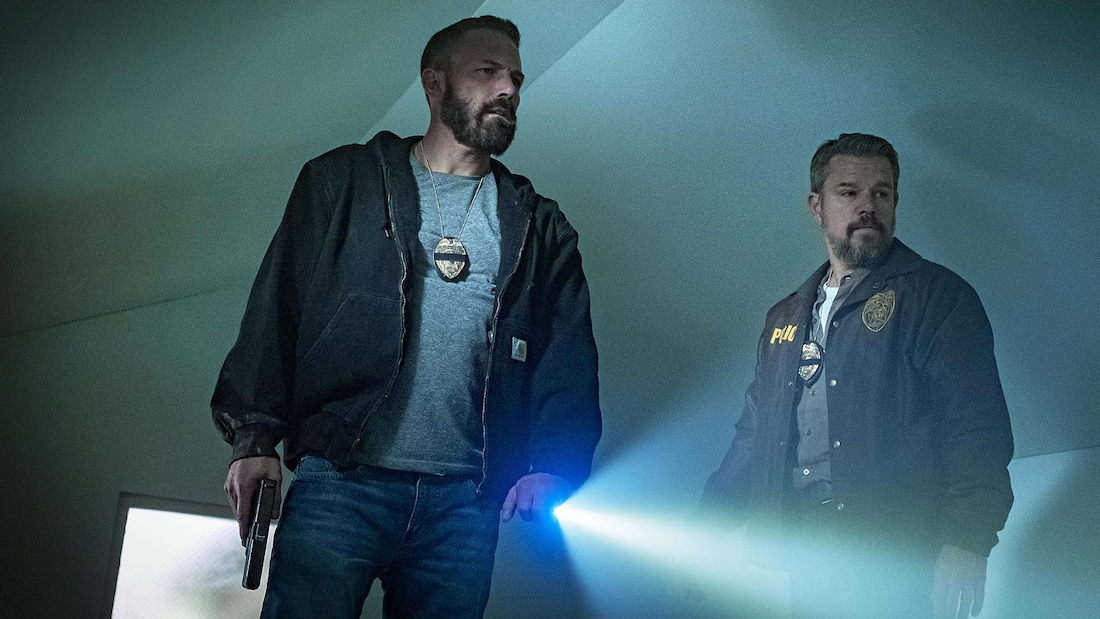
With THE RIP, writer/director Joe Carnahan returns to the genre that made him a filmmaking star. I know he’s been working solidly since the release of his cinematic debut—the rightly lauded NARC. NARC, much like THE RIP, involved morally ambiguous police and gave both leads (a never better Ray Liotta and Jason Patric) the chance to show the world the amazing work they could do. THE RIP marks a return to the genre that made Carnahan famous, and in many ways feels like a more-involved retelling of the same story as NARC. In many ways the films are mirrors of one another, with THE RIP feeling like a culmination of everything that Carnahan has done up until this point in his career.
The film begins with Matt Damon, playing Lt. Dane Dumars, having a conversation with Nestor Carbonell, playing Major Thom (with an H). They are having a conversation about the death of Damon’s boss in his Tactical Narcotics Team (TNT unit, for short). The scene continues past the discussion of the murder of one of their own and introduces us to the rest of this misfit squad who is being grilled by the feds (Scott Adkins and Daisuke Tsuji) about that murder of Captain Jackie Velez (played in brief solid work by Lina Esco). Her death is the film’s inciting incident, much like the death of Michael Calvess in NARC. We are also introduced to Teyana Taylor as Numa, Steven Yeun’s Mike Ro (in his best work to date), and Catalina Sandino Moreno playing Lolo Salazar—which I hope leads to more work for her since she was so spectacular in the often-overlooked MARIA FULL OF GRACE.
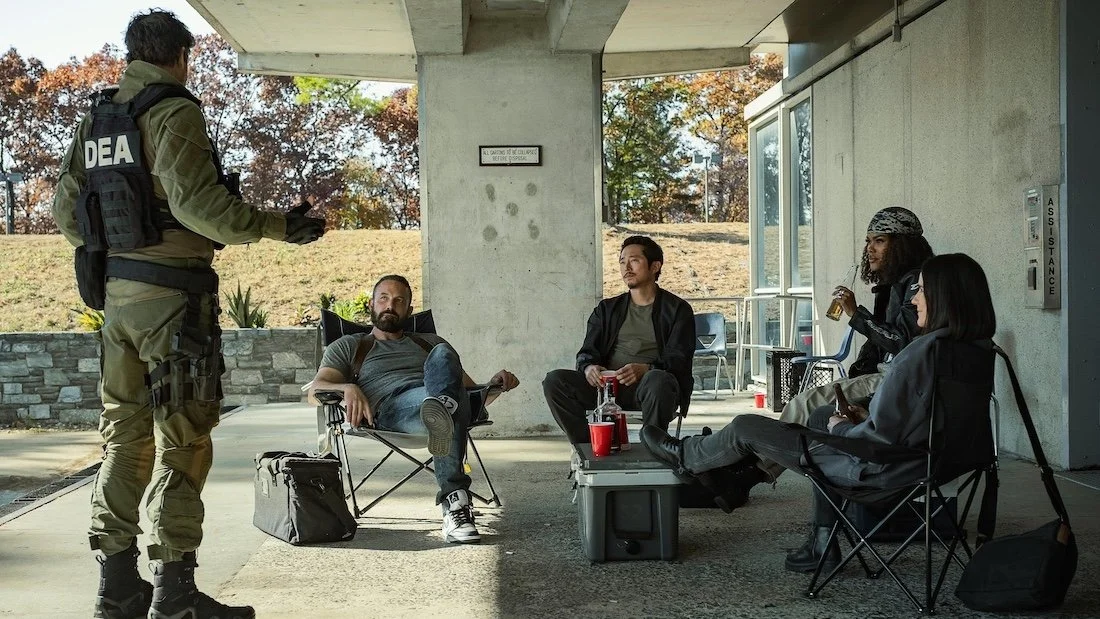
One of the great joys of the genre that Carnahan is playing with in both NARC and THE RIP is the fact that no one in either film is entirely trustworthy. THE RIP has a less revered view of police officers than Carnahan’s debut. In his newest effort every single officer involved seems capable of deceit. The first and most obvious culprit is Ben Affleck’s J.D. Byrne who was passed over promotion, which was given to Dumars. It’s through his interrogation by Adkins and Tsuji’s feds that we learn J.D. was romantically linked to his superior. We also learn one of the feds (Adkins) is J.D.’s brother. In Carnahan’s newest film, the suspect list is longer than NARC, but it’s a filmmaking tool the writer/director wields with precision in both motion pictures, and its not until near the final reel that the movies give up their secrets. It is a coin toss for me if it’s NARC or THE RIP that has the more satisfying conclusion, but both endings feel earned.
While the two films are ostensibly about dirty cops, and possibly dirtier criminals, I think the element in their shared DNA that strikes me as the most compelling is how much they are about the camaraderie in the profession. I am sure that both films have probably been labelled copaganda, and while I think that assessment might be fair, I do not believe that is either film's intention. While I think in the intervening years the filmmaker has taken a dimmer view of the profession, Carnahan clearly understands the type of people that are drawn toward that profession—good and bad—better than most other filmmakers working. It gives the two pictures a more authentic feel.
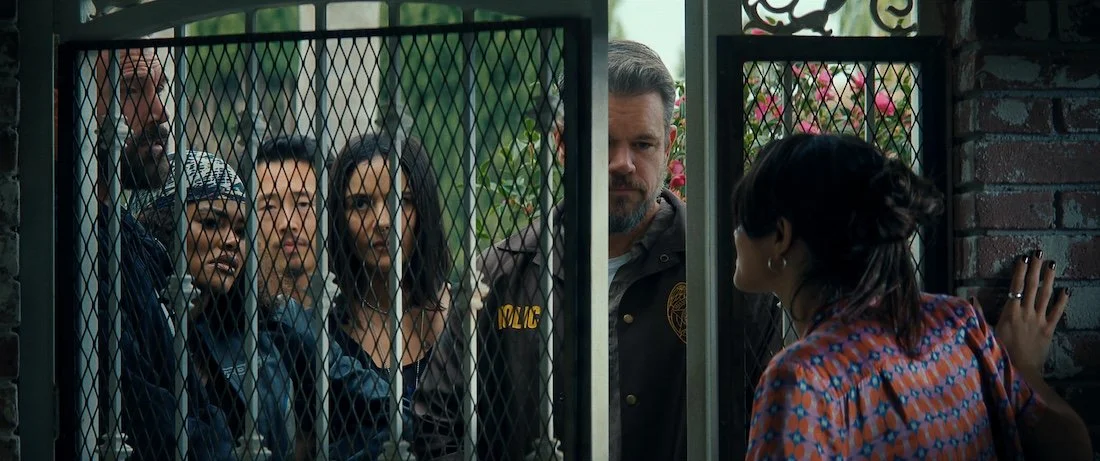
Something I don’t think Carnahan gets enough credit for as a filmmaker is the quieter moments. It is in those deceptively calm sequences that I really think both films are at their best. There is a moment in NARC when Tellis and Oak (Patric and Liotta, respectively) are just sitting in a car staking out a scene. They both talk about their respective significant others. Might be the most devastating scene in the entire runtime. There aren’t as any many moments for the quiet kinship of two world weary cops in THE RIP, but Damon and Affleck do get to share one and it conveys so much unsaid between the two men. They have both been through not just one hell of an evening during the film’s run time, but it feels like the pair of old friends (on and off screen) have been through lifetimes together. It’s a moment that you don’t get a lot of as much anymore in films. Moments to just take it all in and luxuriate in the quiet. It echoes the scene in NARC without being a carbon copy of Oak and Tellis talking about wives—yet it feels equally as important and powerful. Carnahan should get more credit for these kinds of moments in his films.
Although I think Carnahan is nowhere near done as a filmmaker, it was a treat in THE RIP to see a return to form of his debut picture. I know many people would argue neither NARC or THE RIP are his best efforts, but I feel like both films have given him the chance at a fresh start and hopefully tell more of these kinds of honest, lived-in stories.