
When I saw the Return of KaiJuly topics listed, I knew immediately that I wanted to write about GODZILLA MINUS ONE. I love Godzilla and kaiju movies. They offer so much more than just a rubber suit monster and intricate model work. Yet, for all my lifelong love of Godzilla, none of the previous movies had on me the profound emotional impact that GODZILLA MINUS ONE served up.
I was lucky enough to watch it with my teenage son in a mostly empty theater. We were both wowed from the ferocity of Godzilla in the trailer. We both also loved the post-World War II setting. I was ready to step away from contemporary Godzilla stories for a while. We did our best not to get our hopes up for fear of being disappointed like so many often are when you go into movies with already set expectations. Incredibly, this film not only met, but soared past my expectations and became a movie memory that still makes me stop and pause peacefully.
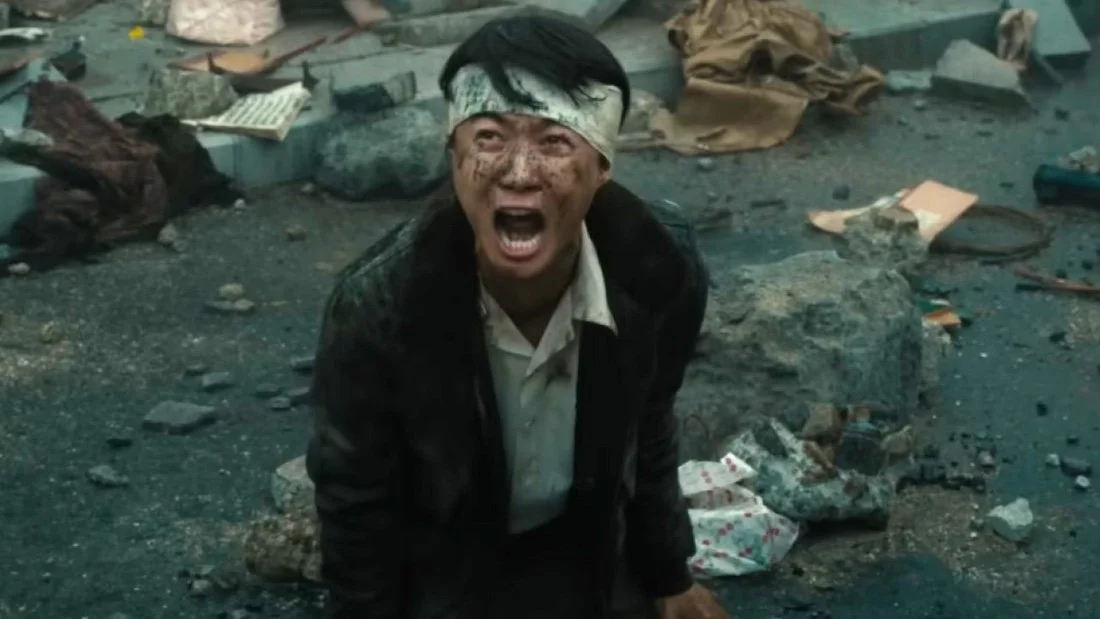
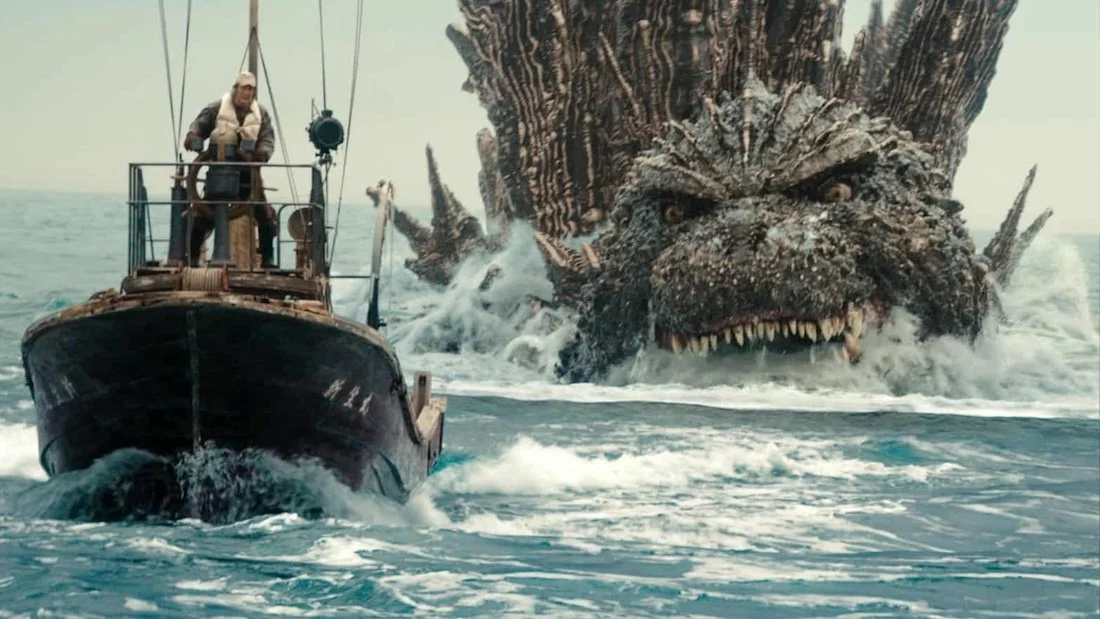
If you haven't seen GODZILLA MINUS ONE, it was released in 2023 and directed, written, and special effects by Takashi Yamazaki. It takes place in post-World War II Japan shortly after the war's end. Ryûnosuke Kamiki plays the main character, former Kamikaze pilot Kôichi Shikishima, who fails his mission and has multiple run-ins with Godzilla which cause him enormous survivor's guilt. Throughout the film, we follow Kôichi's attempt to rebuild his life as we also see the people of Japan trying to do the same. In a movie with so much overwhelming destruction and tragedy, I wondered how Godzilla would compete as the central threat. Yamazaki tackled that issue by making this the most frightening version of Godzilla we have seen yet. This film is a masterclass in balancing tones, writing realistic emotions, and building tension. Most of all this movie tells us that hope is a gritty, dirty, and difficult but magnificent emotion to carry.
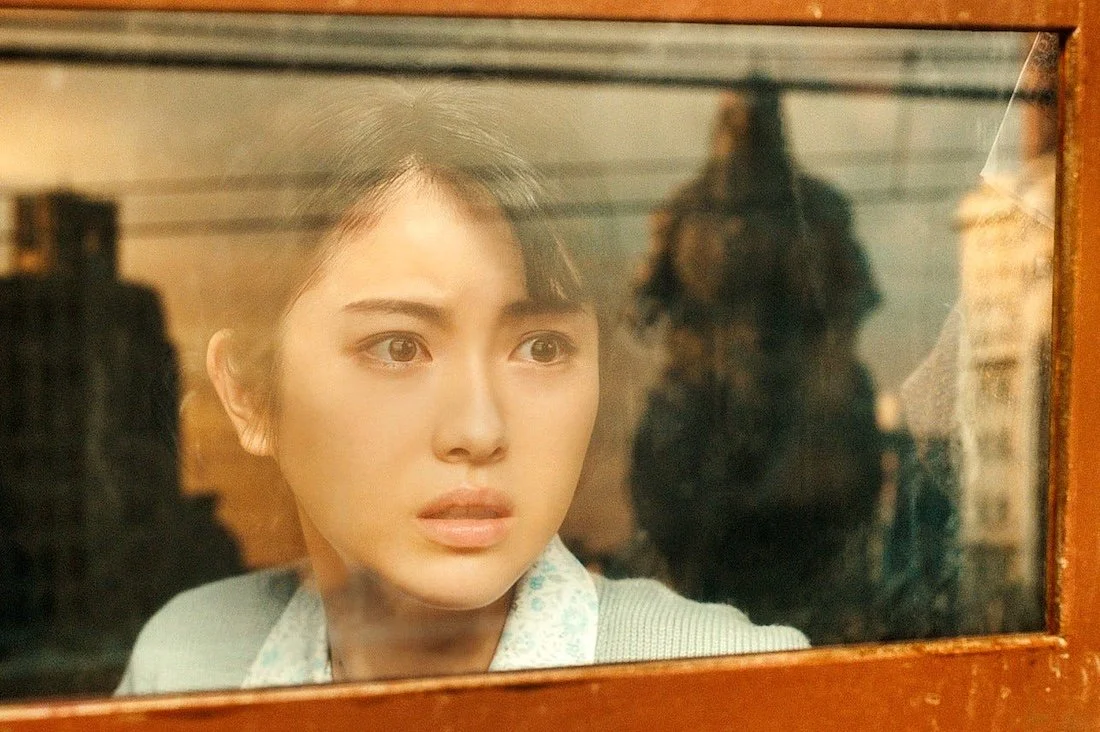
My first attempts at this essay were to convey the incredible technical skill behind this film. As I read essays by others much more learned than me, I knew that I wasn't the person to talk about this from a film critique viewpoint. For me, GODZILLA MINUS ONE is a conversation about how hard it is to be human. But, also how beautiful it is to be human.
World War II is closer to me than I would like. I still feel the effects of the generational trauma of it in my own family. My grandparents were Okinawans who spent their childhood in caves during the war. There was so much loss that it reshaped how Japanese people defined family. In my own family, I only recently discovered that two of my great aunts were not actually blood-related. They were adopted by my grandfather as his little sisters, because they were orphaned by the war. Even though he had nothing to offer them, he found out that they shared the same common last name and it was enough reason to be a family. I also think the experience of being Okinawan helped me see the horror of this movie with a very raw feeling whereas most Americans cannot imagine the devastation of war on their front door. It's for this reason and others (like the current state of world affairs) that this movie spoke to me more as human to human and less movie to audience.
One of the more poignant parts of the story that seems to be overlooked in the articles I have read is Kôichi's post-war job as a minesweeper. The movie leads us to believe that he takes it because of the higher salary and is an easy job to get. The idea that he wants to die anyway makes it easier for him to face the hazards of the very dangerous job. I disagree somewhat. I do sense that, to some degree, Kôichi longs for an out from this world that is not by his own hand. He is burdened by guilt so much that it makes him turn away at joy. He does not believe he deserves it. So, in that sense, yes, maybe he took that job because he doesn't value his life anymore. But could it also be another example of him fighting against the guilt because he has an even deeper desire to live and make his life worth something? If Kôichi can do this dangerous job that helps others, in return he can release a little bit of guilt with every mine he eradicates. He can start to work through his war trauma one mine at a time all while rebuilding a new life with his found family. Kôichi's biggest problem isn't that he was a coward. None of us know what we would do in the situations he faced until we face them ourselves. We can only hope that we will do the right thing. While I do not condone his actions when he first encounters Godzilla, I do not believe Kôichi is a coward for wanting to live. I think that choosing to live in the face of extreme hardship—both externally and internally—takes courage. Choosing to live against what feels like relentless hopelessness also takes immense strength. Hope is not for the weak. Hope is resilience. Hope is bravery.

I hope that when you watch GODZILLA MINUS ONE that you come away feeling that while we may die a thousand deaths, we live only once. We can make families out of orphans. We can build communities in rubble. We can overcome monsters with pure ingenuity. There is life after death. Hope is an act of resistance. In the worst way, Godzilla, the king of monsters, shows us in this film that hope is the most magnificent gift humanity has to offer.