
For the month of October, we’re counting down the best horror movies of 1995! Check back every day for a new entry in the list.
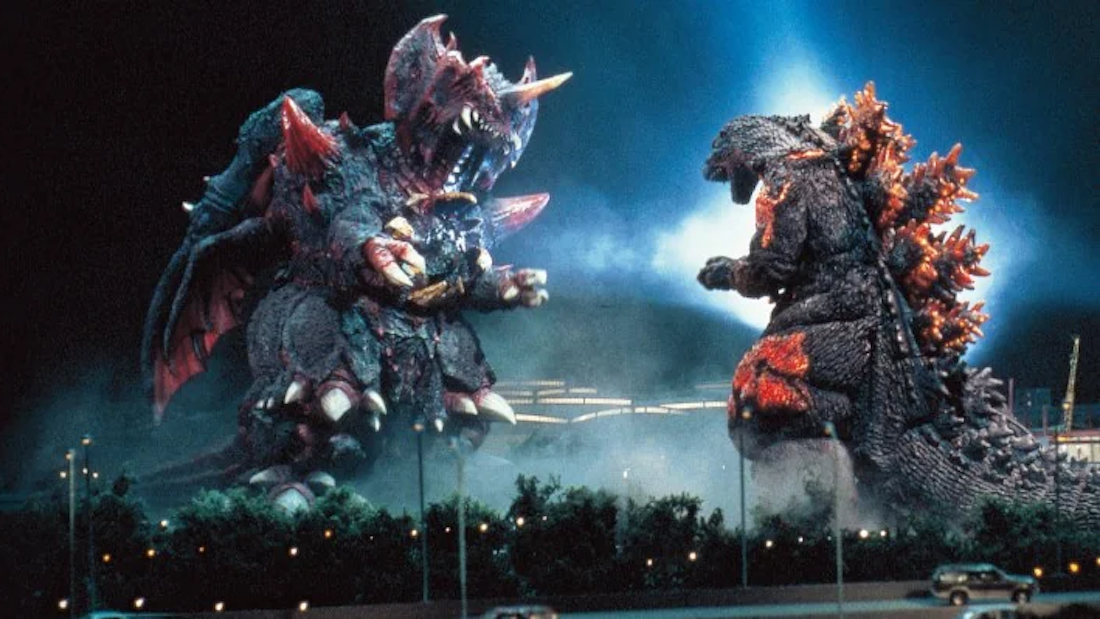
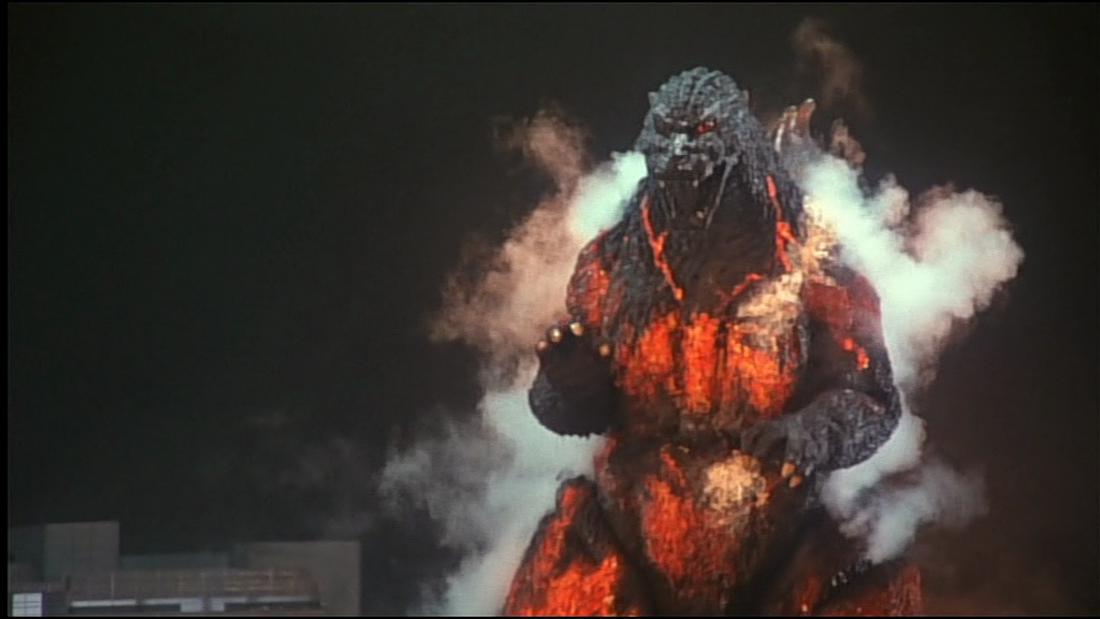
GODZILLA VS. DESTOROYAH, directed by Takao Okawara, feels like an ending. The irony is that over the past thirty years, more Godzilla movies have emerged from the West and the East. Still, you can feel the sharp contrast between this movie and the 2023 sleeper hit GODZILLA MINUS ONE. Namely, it's less about allegories for war and nuclear destruction and more about grief.
We see a more empathetic take on the giant monsters who destroy Tokyo. Godzilla, like many creatures, wants to live. He also wants to protect his family from the other horrors of the world. When it seems that Godzilla's life spells death for everyone else, the Japanese who know him have to take drastic measures. It may mean sacrificing one innocent life to save millions.
Along Comes Junior
Just as the Japanese government and scientists have learned to keep Godzilla and his adopted son Junior away from their islands, a new threat emerges. Namely, Godzilla threatens to melt down and spread nuclear radiation everywhere. Since the government can't transport him to a monster spa and tend to him in his last days, they have to figure out how to cool him down. Not helping is when they try to find the "Oxygen Destroyer," it turns out to have created many monsters that attack without provocation. Godzilla and Junior are the only ones who stand a chance against these creatures. But to bring them back, two telepaths have to lure Junior into a dangerous situation.
The Budget
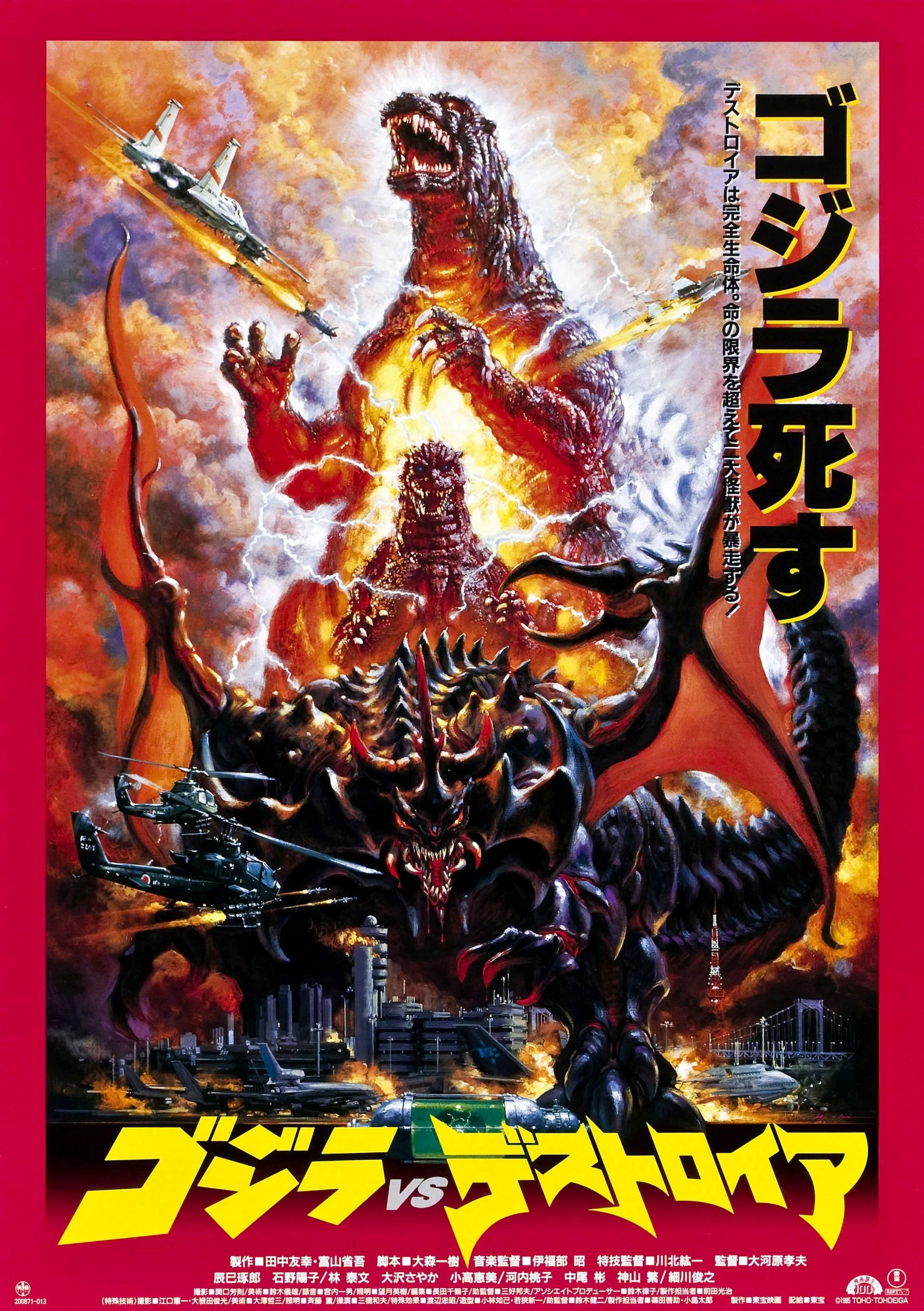
You can tell that the budget went into the Destoroyah suits. Destoroyah starts out as several monsters that are double the height of humans with ten times the appetite for violence. Defeated ones fuse into a bigger monster. Each time, the next incarnation is harder to beat. Destoroyah even flies at one point, taking away Godzilla's home-turf advantage when they finally do clash.
I admit that after noticing how stiff Godzilla was, the Destoroyah monsters actually made me scream. Their crablike movement and tentacle mouths really got to me, feeling like a nod to the Alien franchise. In contrast, Godzilla's movements are stiff; Destoroyah's crab-walk is smooth. You can believe it's going after people and trying to eat them for the fun of it. It makes sense since we have to see firsthand that Destoroyah can take on Godzilla. Destoroyah more than can, and their fluidity makes all the difference.
Connecting with Monsters
Despite Godzilla having destroyed their capital city a few times and laying waste to Hong Kong, Japan has entered a steady truce with him. Humans raised his adoptive son Junior, and Junior has remained friendly with the humans after psychic Miki told him and Godzilla to leave Japan and seek another home. The government has realized that Godzilla needs his own space and no provocation, while Junior requires the same. If they don't antagonize the monsters and make sure the two stay far away from humans, then the cities stay intact.
Miki has both a telepathic and an emotional bond with Junior. She protests using him as bait to have Godzilla fight Destoroyah but learns if she doesn't, her coworker Meru will. Reluctantly, Miki lures him to where Destoroyah is knocking down buildings but whispers for Junior not to die. She remains hopeful when Junior actually holds his own against the mutated pre-Cambrian monster, showing he's inherited more than Godzilla's looks. While she can provide emotional support through their bond, she can't take control and help him fight.
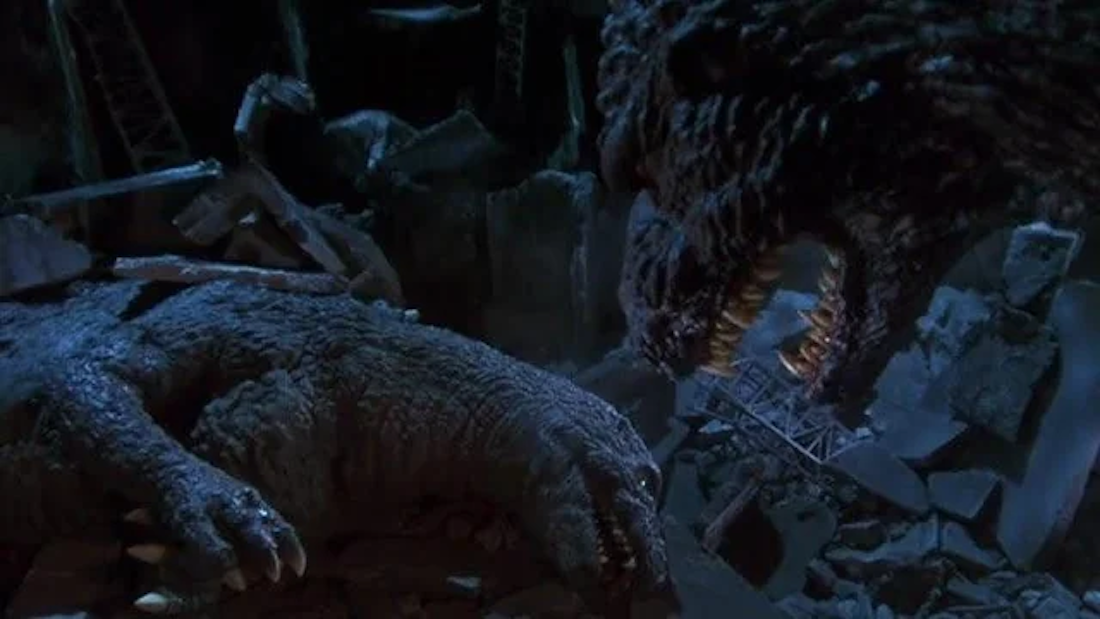
The problem isn't that Junior is more lover than fighter; it's that he is still a juvenile, especially compared to his father. He doesn't have the strength, stamina, or experience that Godzilla has. Junior is also not ruthless. The world hasn't broken him yet until this movie comes along.
My heart broke when Miki and Meru both shouted, "JUNIOR!" as he fell. I was joking that they need to get him a medic, but Japan, even in a world of monsters, lacks such facilities. They don't have the helicopters or stretchers used to rescue wildlife. And it shows; Junior dies before his father revives him. We see the tragedy of the situation.
That we feel for two giant monsters shows that the movie's script and direction work. They make us understand that Junior is not a traditional mindless kaiju but rather a thinking, feeling being.
When Godzilla Chooses Death
Godzilla’s choices at the end of the movie help it stand out from other installments. In most films, the humans have to defeat Godzilla using quick thinking and highly dangerous equipment. While we do get some jets and technology to cool down Godzilla, they aren’t ultimately why he falls. In fact, they help them take down Destoroyah with some well-placed aim.
Rather than fight the humans, Godzilla focuses on saving Junior. He grapples with Destoroyah in revenge, but his son matters more. That’s why in his sadness, he can transfer his powers to Junior to revive him while melting down, passing on his claws and teeth. While ideally no parent sacrifices their life for their child, Godzilla chooses to do so. When the planes finally do help Godzilla prevent meltdown, Junior’s body accepts his lethal radiation that would have covered Tokyo.
Respecting A Monster
A sacrifice means that Godzilla is not mindless or cruel. He understands the weight of others leaving him. Such an action gives him a noble sendoff even as his death threatens to end life for humanity as we know it. Godzilla doesn’t know how he impacts humans, but he knows what his death may mean for his son.
While other films chose to undo this sacrifice or reboot it, GODZILLA VS. DESTOROYAH still remains emotional. We can say goodbye and salute a creature who understands how we feel when we stare death in the face every day. And we understand the need to protect the next generation, even when it seems futile.