
Number 23—THE ADDICTION

For the month of October, we’re counting down the best horror movies of 1995! Check back every day for a new entry in the list.
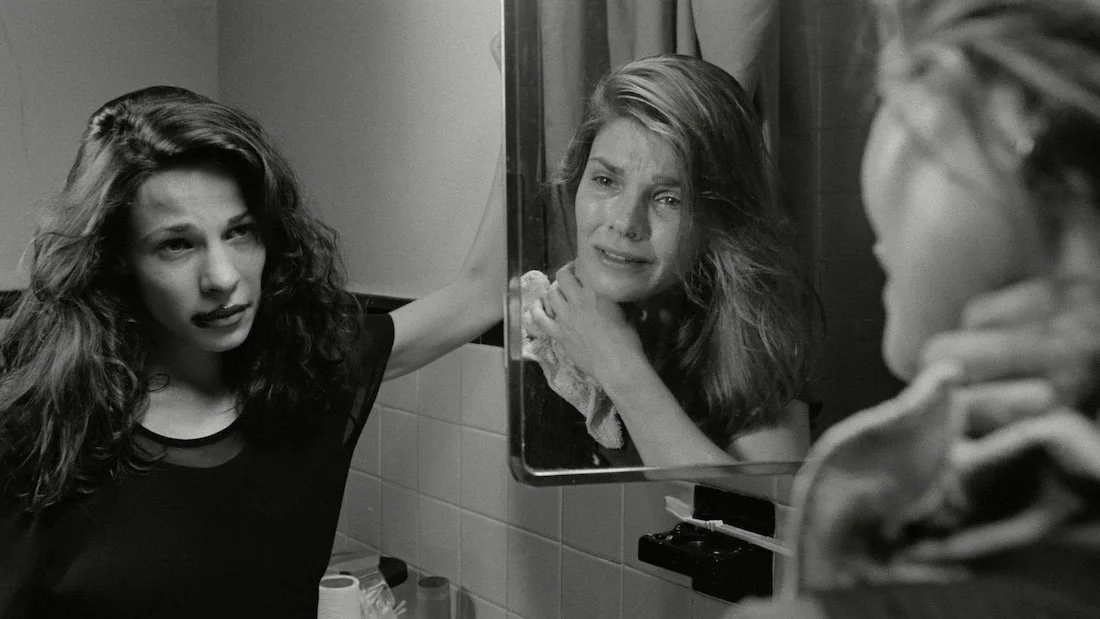
When exploring the realm of vampire cinema, films typically fall into one of three distinct categories: action, romance, or the more avant-garde and esoteric varieties. While the latter is often overlooked, it is within this niche that the most richly layered films of the subgenre can be found. Abel Ferrara's 1995 film, THE ADDICTION, stands as a compelling example of this artistic divergence—a black-and-white tone poem intertwining its themes with the visceral bloodletting commonly associated with vampire narratives.
The narrative centers on Kathleen (Lili Taylor), a driven doctoral student immersed in philosophy. Her intellectual pursuits are complemented by a fascination with the darker facets of human experience, as evidenced by her obsession with documentaries on genocide and art exhibits focusing on warfare, activities shared with her friend Jean (Edie Falco). Despite her outward independence and intelligence, Kathleen wrestles with an undercurrent of meekness, striving to navigate a world that often feels indifferent. Her life takes a dramatic turn one fateful night when she is accosted by a mysterious woman, Casanova (Annabella Sciorra), who draws her into an alley and bites her. The encounter thrusts her into a nightmarish transformation that leads her down a treacherous path from which escape may be impossible.
The film deftly utilizes vampirism as an allegory, often conflating it with themes of loneliness, guilt, and an insatiable lust for experience. Ferrara reinterprets it through the lens of addiction, a theme he is intimately familiar with, having endured his own struggles with heroin, and infuses the narrative with a raw authenticity. Kathleen's subsequent embrace of vampirism sees her satisfying her cravings by injecting blood into her veins.
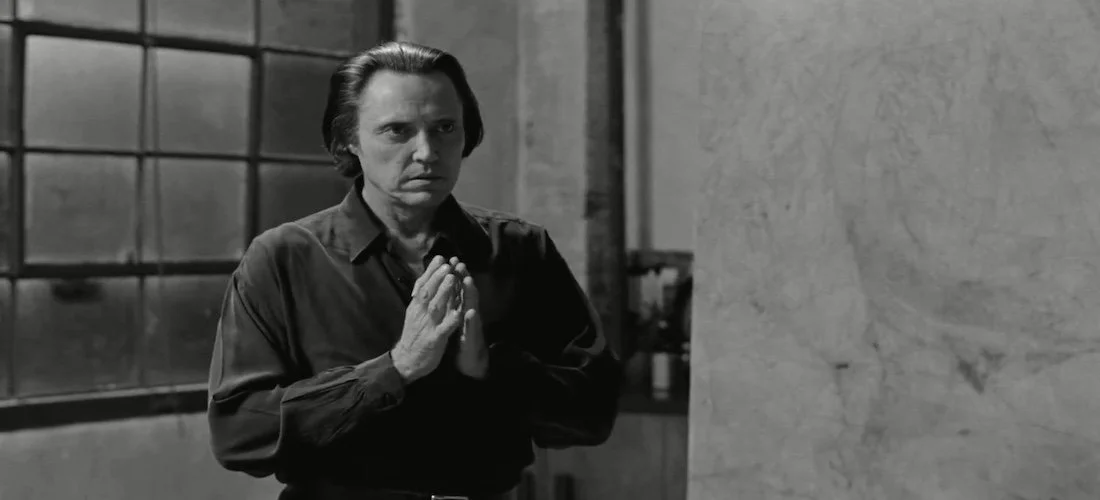
As Kathleen discovers an unexpected reservoir of inner strength, she simultaneously confronts a feral side that emerges—her thirst becomes too strong, and she begins to impose her condition on others with alarming disregard. Ferrara keenly navigates this duality with the introduction of Christopher Walken's character, Peina. Their meeting sees Kathleen jump him, but he realizes, using her tactics against her. Seeing his former self in her, Peina offers Kathleen a different perspective, revealing his own mastery over vampirism that allows him to coexist with humanity—“I can defecate. When was the last time you did that?” he quips. This line encapsulates the duality of Kathleen's condition, merging existential inquiry with the grotesque realities of her new existence.
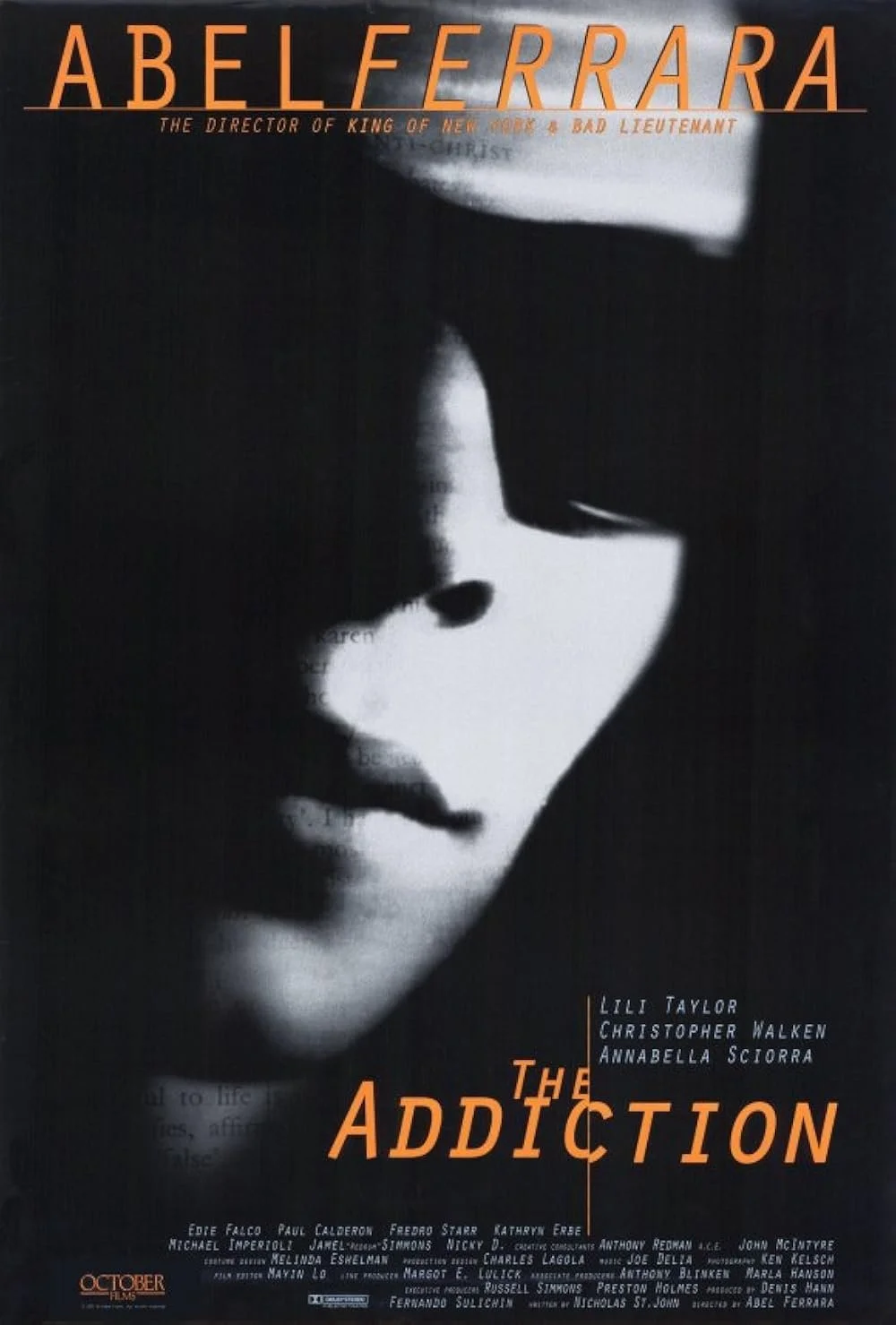
The ambitious nature of THE ADDICTION lies in its fusion of philosophy, religion, and substance abuse, all while delving into the nature of good and evil. Despite the potential for pretentiousness inherent in such weighty dialogue, Ferrara's direction, alongside frequent collaborator Nicholas St. John's script, maintains a focused intensity that captivates the audience.
Ferrara’s visual style, particularly his choice to shoot in black and white, amplifies the film's haunting atmosphere. This decision not only enhances the eerie quality of the narrative but also renders the moments of violence and blood more visceral and impactful. The film's representation of New York City during a time of significant urban transformation—characterized by attempts to "clean up" Times Square—mirrors Kathleen's struggle to conceal her addiction, drawing parallels between societal and personal decay.
Interestingly, despite its heavy implications, the term "vampire" is never explicitly mentioned. Kathleen's encounters with two "proper" vampires—Casanova and Peina—are framed as violent impositions of will. Both characters enact their control over her: Casanova, through the bite that transforms her, and Peina, who siphons her blood in a misguided effort to "help" her kick the habit. Both encounters serve as catalysts for Kathleen’s subsequent spiral into chaos, culminating in a climactic bacchanal at her doctorate party, where she wanders bloodied in the street, overdosing on excess.
THE ADDICTION is a striking and unforgettable film that occupies a unique space within the vampire subgenre. While it may have been overshadowed at its release by the likes of JOHN CARPENTER’s VAMPIRES and FROM DUSK TILL DAWN, Ferrara's compelling amalgamation of striking visuals, philosophical inquiry, and weighty themes has resonated through the years, as seen in later works such as THIRST, ONLY LOVERS LEFT ALIVE, and BLISS. Despite its significance, THE ADDICTION remains under-discussed and merits recognition and appreciation for its distinctive contributions to the genre. Films of this caliber, rich in complexity and artistic ambition, should not only be revisited but also celebrated for their ability to challenge and expand the boundaries of cinematic storytelling.