

PACIFIC RIM (2013)
Monsters, Mechs, and the Magic of Guillermo del Toro’s Film
As a kid, I never wanted to be the princess—I wanted to be the dinosaur that stomped her castle flat. My living room carpet was a battlefield where Godzilla clashed with Transformers, where frogs I’d caught in the backyard became stand-ins for kaiju, their epic battles playing out on a pilled avocado green landscape. Monsters weren’t scary to me. They were epic.
When I first saw PACIFIC RIM, the 2013 interdimensional kaiju classic, I was in my 30s, but the kid in me could not get enough of it. It felt like Guillermo del Toro made a movie just for her—for all of us who once smashed our toys together and imagined whole cities tumbling down, who knew deep down that monsters and mechs were joyful creatures at their core.
What surprised me most about PACIFIC RIM, though, wasn’t just how much it honored that childlike glee. It was how much heart it brought to the fight—how the movie’s soul lived not just in the spectacle of the action, but in the quiet moments where two people come together and face their monsters—inside and out.
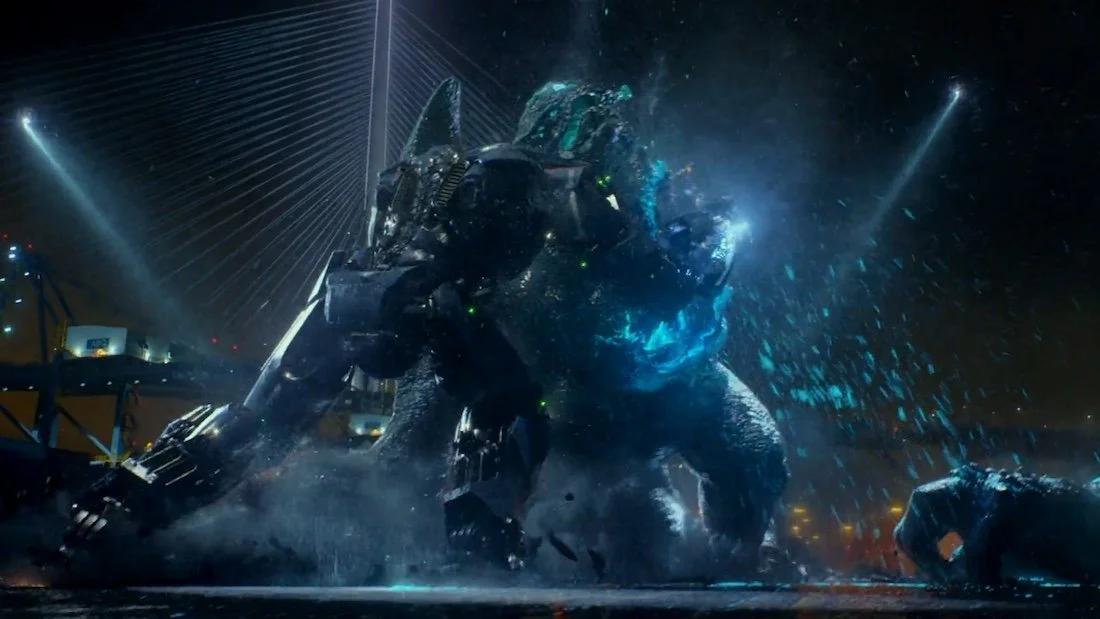
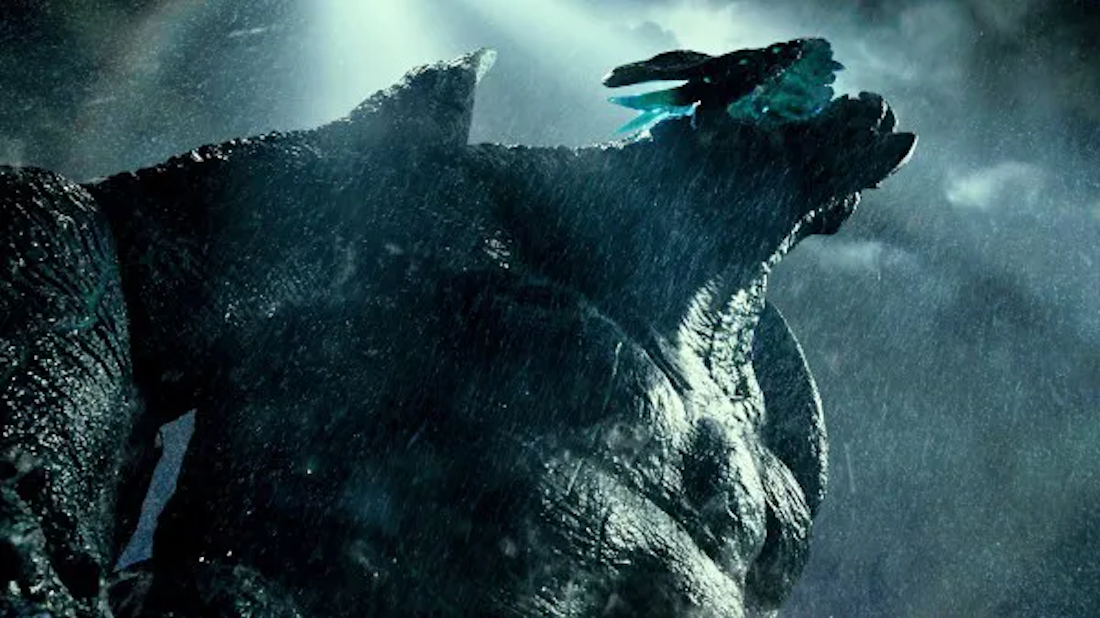
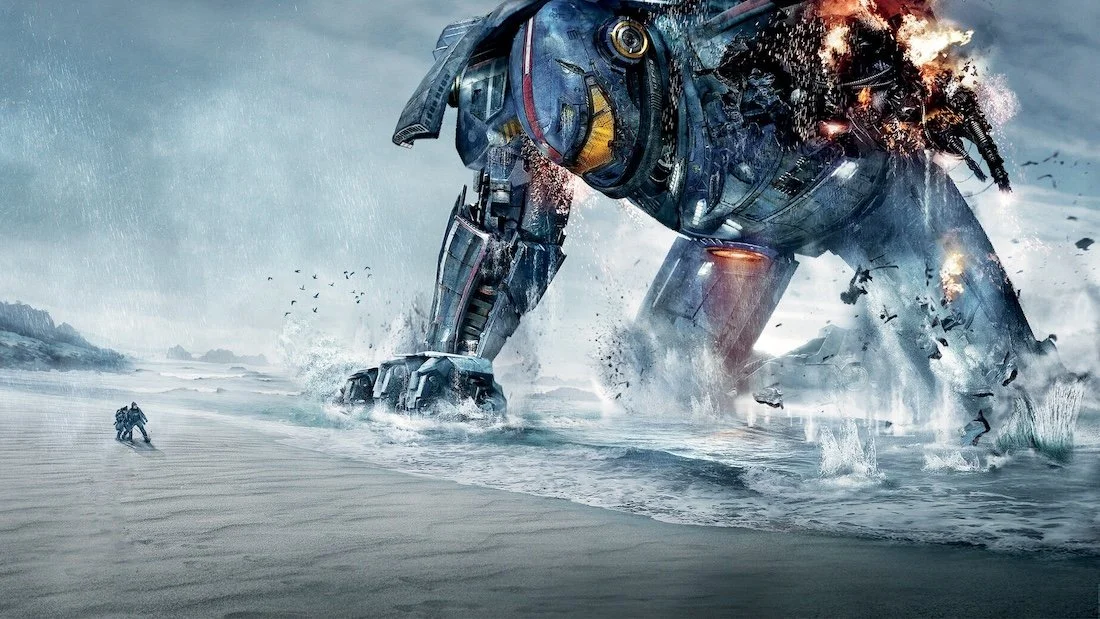
From the opening shot, PACIFIC RIM feels like a love letter to those childhood battles. Its world is big and strange and completely sincere: skyscraper-sized monsters crawl from the ocean and lay waste to everything in sight. Humanity answers not with subtlety but with style—building equally massive, gleaming robots called Jaegers to punch the kaiju back from whence they came.
And oh, does it deliver. The designs of the Jaegers and kaiju alike are imaginative and iconic, their movements weighty and brutal. The mood is broody, the actors dirty, the whole world at once drowning and on fire. It’s easy to forget now, when every summer movie feels like it has to prove how gritty and grounded it is, just how refreshing it was to see something this bold, bright, and undeniably over the top.
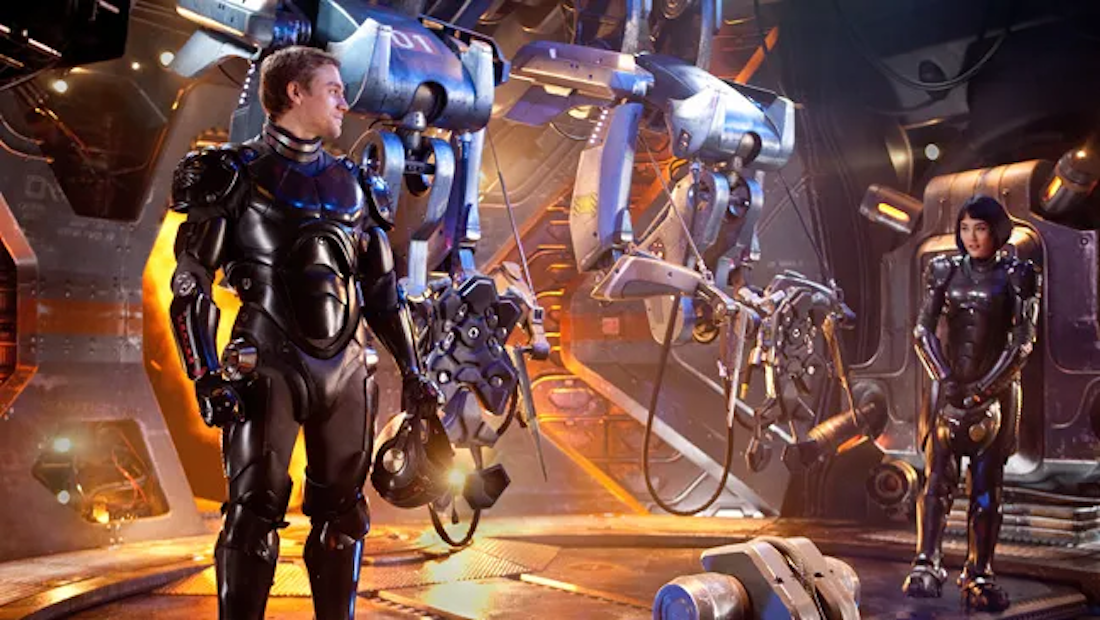
But PACIFIC RIM is more than a spectacle. It’s also a surprisingly intimate story about connection, grief, and healing. The concept of the Drift—the neural bridge between two Jaeger pilots—isn’t just a clever sci-fi device. It’s a metaphor for what it takes to survive catastrophe: opening yourself up to someone else, even when it hurts, maybe especially when it hurts.
Raleigh and Mako, two of our central characters, form a partnership that is the beating heart of the movie. Like everyone else in this futuristic wasteland, both are carrying trauma collected after years and years of assaults on society and its citizens. Both characters are hurt and reluctant to trust. Both really love beating the shit out of alien lizards. Both are vulnerable and hesitant and angry and eventually they are all those things—together.
That’s what elevates PACIFIC RIM above so many of its imitators. It understands that kaiju movies have always been about more than monsters. They’re about us—our fears, our flaws, our resilience. From Godzilla’s atomic grief to Mothra’s righteous fury, the best kaiju films have always reflected the ways we wrestle with disaster. PACIFIC RIM just adds another layer: what it takes to heal from a lifetime of those disasters.
On the surface, kaiju movies are about destruction. But at their center, they’ve always been about creation—what kind of world we want to build after the rubble settles. PACIFIC RIM understands that. It doesn’t just revel in the chaos of the fight. It asks what it means to stand side-by-side in the middle of it.
That’s why it resonates with me so deeply—still, more than a decade after its release—not just as a fan of the genre, but as that kid on the carpet, carrying out mini battles with toys amidst the very real disasters of a young life: friendship, family, loneliness, the earliest aches of trauma, and the very real need for connection in the face of it.
Four decades later, I can still feel the carpet under my knees. I can still see the frogs and the Transformers and the Lego towers coming down. When the credits rolled on PACIFIC RIM during my most recent watch, I was reminded that there’s nothing wrong with finding joy in the awe of it all, and nothing weak about admitting you need someone in your corner when the monsters come.
Because when the world feels like it’s ending, maybe the best thing we can do is find someone to buddy up with—and fight what comes together.