When one door closes, another opens is an apt metaphor for the Insidious franchise, which has been running strong since 2011. Fifteen years after the original film, audiences are introduced to another set of characters who have to battle the demonic forces that linger in “the Further.” Fans of the franchise will appreciate familiar faces, tropes, and throwbacks while those new to the world originally created by Leigh Whannell will get a vile introduction as the franchise opens a new red door into its next chapter.
Director and screenwriter Jacob Chase explores the permeability of worlds in the sixth installment of the franchise with INSIDIOUS: OUT OF THE FURTHER. Unlike the film’s predecessors, the ghastly and eager dead successfully find a way to leave theastral plane and infiltrate the physical world.
Trauma continues to propel the franchise’s supernatural mythology, beginning with a young Gemma (Charli Penton) witnessing the psychological downfall and subsequent suicide of her mother in their Pittsburgh home. Twenty years later, Gemma (Amelia Eve, The Haunting Of Bly Manor) is raising her pre-teen daughter Maya (Island Austin) in the same house while struggling with the lingering belief that she may be responsible for her mother’s death. Despite attempting to maintain stability for her daughter and pursue a relationship with local cop Nick Mendoza (Brandon Perea, NOPE), Gemma’s unresolved past begins bleeding into the present through disturbing astral projections. What initially appears to be the resurfacing of traumatic memories becomes decidedly supernatural when she manages to bring a brooch back from one of her projections.
The introduction to the power of a “courier” as opposed to a mere “traveler” creates an entertaining concept but feels more like an opportunity to perpetuate the franchise for financial gain than a product of intentional and innovative storytelling. Chase’s approach to the film’s dialogue and story is lackluster compared to that of the previous installment, Patrick Wilson’s INSIDIOUS: THE RED DOOR.The script lacks allegorical depth, relying instead on familiar franchise staples for seasoned fans and enough jump scares to satisfy a general audience simply looking for something scary to watch in theaters. Chase prioritizes the film’s visual and auditory components over metaphors, motifs, or allusions. To put it lightly, INSIDIOUS: OUT OF THE FURTHER is a popcorn flick meant to entertain without the expectations associated with what has been deemed “elevated horror.”
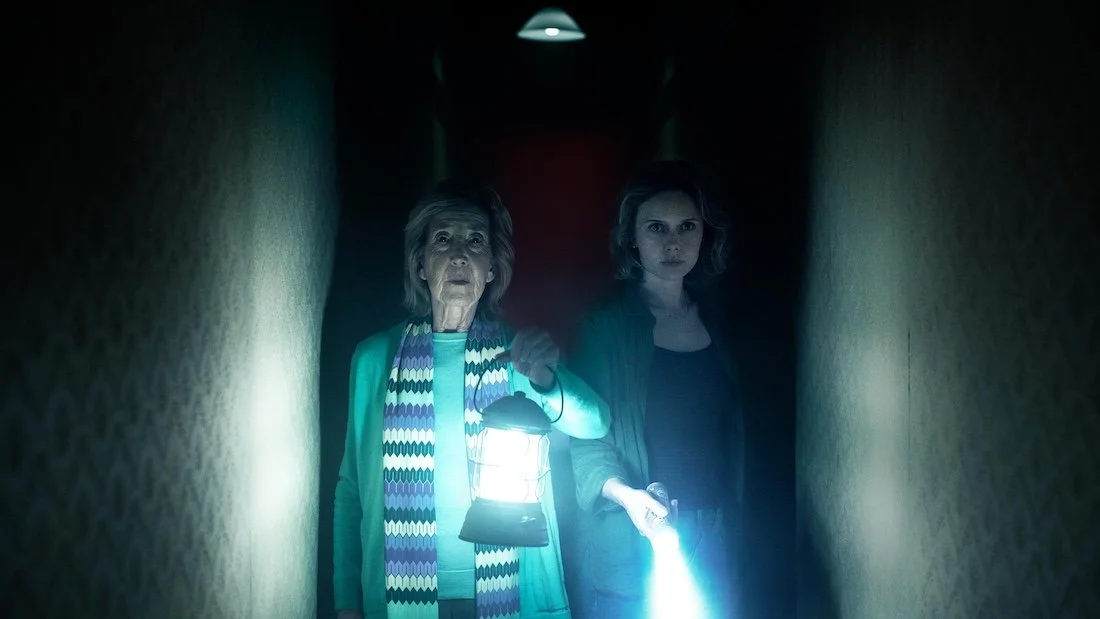
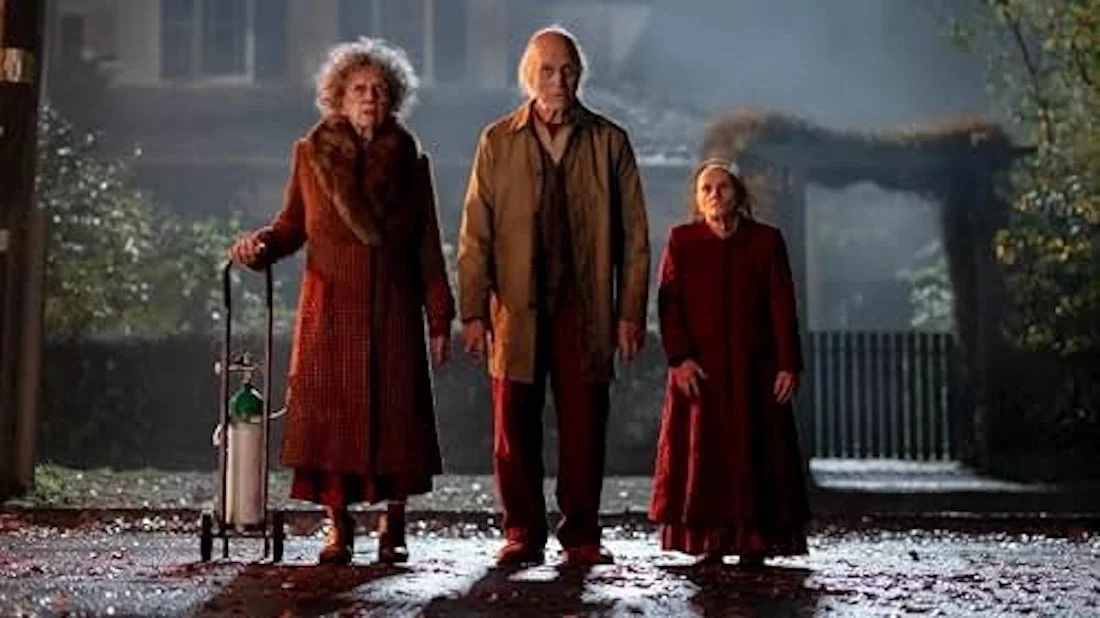
Audiences are introduced to Cyrus Lam (Sam Spruell), a villainous cult leader reminiscent of a pale Jim Morrison who promises those in the Further a life on the other side. While not particularly frightening, the character is a fitting addition to the other sinister souls in the Further. Always willing to help, beloved Lin Shaye reprises her role as Elise and communicates the dire intentions of Cyrus to Gemma through a local tattoo artist named Clare (Maisie Richardson-Sellers). Shaye continues to guide the desperate living into the Further while also carrying the franchise as a whole. While Eve plays Gemma with a determined intensity, Shaye remains the shining beacon of enjoyment that continues to give the franchise much of its enduring appeal.
Familiar tropes from the franchise prevail. Ominous figures standing still in the dark, shocking visuals when a character peeks under the bed, and revolting body horror thanks to Gemma’s occupation as a dental hygienist. Chase’s camera work is particularly strong in these moments of anticipation and revulsion. The transition into the Further is also more creatively depicted in this entry, particularly when Gemma enters a pillow fort that Maya built. The liminal space and claustrophobic setting work exceptionally well, and the sequence is easily one of the strongest scenes in the film.
Even with the emotional and traumatic undercurrent propelling the narrative, INSIDIOUS: OUT OF THE FURTHER finds its strongest footing in aesthetics and production. Aside from the introduction of the courier ability, there isn’t much else that sets it apart from its predecessors. The franchise may have opened another red door, but what lingers on the other side feels predictable and trite.